
Introduction
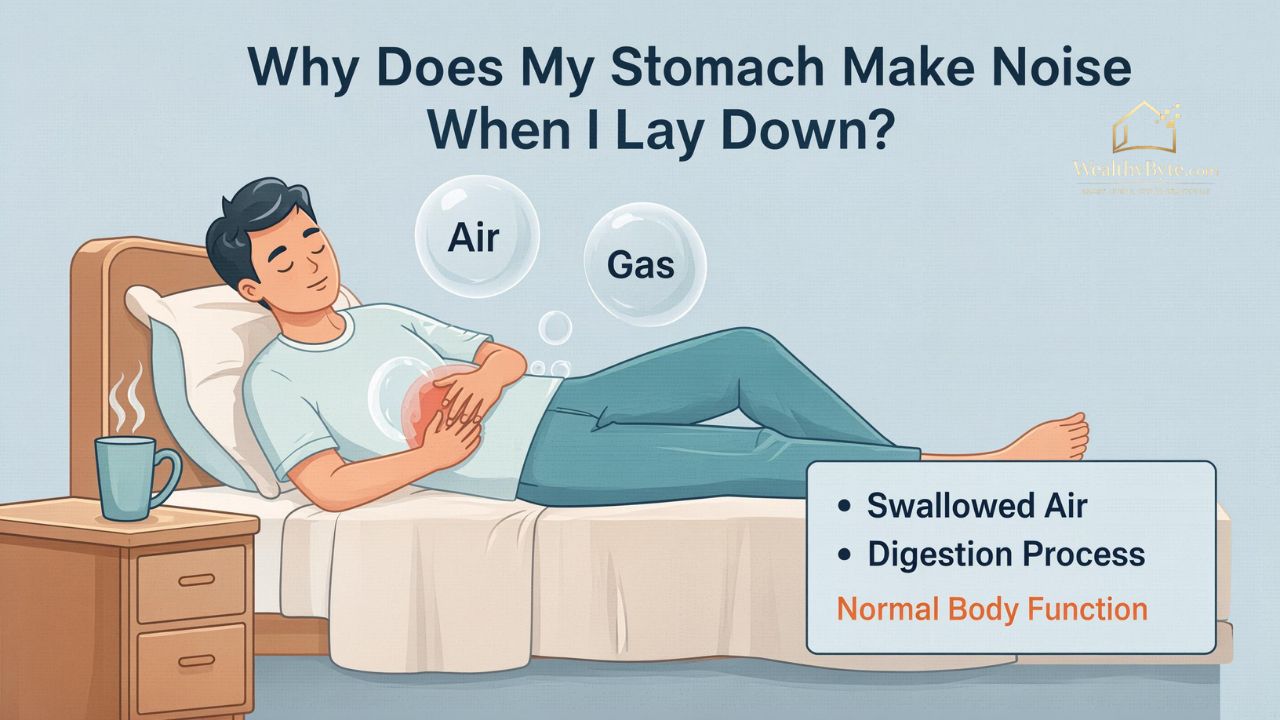
You finally crawl into bed after a long day, the room gets quiet, and suddenly your stomach sounds like it’s hosting a drum concert. If you’ve ever wondered, “why does my stomach make so much noise when i lay down,” you’re definitely not alone. Those strange gurgles, pops, growls, and bubbling noises can feel embarrassing, distracting, and sometimes even worrying.
For many people, stomach sounds become louder at night or when lying flat. In reality, most of the time these noises are completely normal. Your digestive system is constantly moving food, liquids, and gas through your intestines—even while you sleep. However, certain foods, stress levels, digestive conditions, and eating habits can make the sounds much more noticeable.


The tricky part is figuring out when noisy stomach sounds are harmless and when they might signal something more serious. Some people experience occasional rumbling after dinner, while others deal with loud intestinal noises every single night. That difference matters.
This guide breaks down the science behind stomach noises, explains common causes, shares practical remedies, and helps you understand when it’s time to speak with a healthcare professional.
Table of Contents
What Causes Stomach Noises?
Why Does My Stomach Make So Much Noise When I Lay Down?
The Science Behind Digestive Sounds
Common Medical Conditions Linked to Noisy Stomach Sounds
Foods That Can Trigger Loud Stomach Noises
Stress, Anxiety, and Gut Activity
How Sleeping Position Affects Digestion
When Stomach Noises Could Signal a Problem
Effective Ways to Reduce Stomach Noises at Night
Lifestyle Habits for Better Digestive Health
FAQs
Conclusion
What Causes Stomach Noises?
Stomach noises, medically known as borborygmi, happen when food, gas, and fluids move through the digestive tract. Contrary to popular belief, your stomach doesn’t only growl when you’re hungry.
The digestive system is incredibly active throughout the day. Muscles inside the stomach and intestines contract rhythmically to push contents forward. These contractions are called peristalsis.
When gas and liquids move around during these contractions, they create sounds like:
- Gurgling
- Rumbling
- Growling
- Bubbling
- Popping
Sometimes the sounds are soft and barely noticeable. Other times they can be surprisingly loud, especially in a quiet room at night.
Why the Sounds Seem Louder at Night
At bedtime, external noise disappears. There’s no traffic, television, conversation, or work distractions competing with internal body sounds.
That silence makes digestive noises feel amplified.
Also, when you lie down, intestinal movement changes slightly because gravity is no longer helping digestion in the same way.
Why Does My Stomach Make So Much Noise When I Lay Down?
why does my stomach make so much noise when i lay down is a question doctors hear more often than people realize. The answer usually comes down to body position, digestion speed, trapped gas, and increased awareness.
Lying Down Changes Gas Movement
When standing or sitting, gravity helps move gas downward through the intestines. Once you lie flat, gas pockets shift differently inside the digestive tract.
That movement often creates:
- Loud bubbling
- Pressure sensations
- Sudden gurgles
- Audible stomach rolling sounds
For some people, the change is dramatic enough to interrupt sleep.
Digestion Continues After Dinner
Your body doesn’t stop digesting food just because you’re relaxing in bed. In fact, if you eat dinner late, your digestive system may still be actively processing food while you’re trying to sleep.
Heavy evening meals rich in:
- Fat
- Dairy
- Spices
- Sugar
- Carbonated drinks
can trigger more digestive activity at night.
Increased Awareness in Quiet Environments
Sometimes the noises aren’t actually louder. You’re simply more aware of them.
Think about it this way: during the day your brain filters out countless body sensations. At night, with fewer distractions, even normal digestion can suddenly sound dramatic.
The Science Behind Digestive Sounds
The digestive tract contains layers of smooth muscle that constantly contract to move food from the stomach into the intestines.
The Migrating Motor Complex
One fascinating process is called the migrating motor complex (MMC). This cycle occurs between meals and acts like an internal cleaning system for the intestines.
The MMC helps:
- Move leftover food particles
- Push bacteria through the gut
- Clear digestive waste
Interestingly, these contractions can create loud stomach noises even when you haven’t eaten for hours.
Hunger and Stomach Growling
When the stomach is empty, there’s less material to muffle intestinal sounds. That’s why growling often becomes louder before meals.
Hormones like ghrelin also signal hunger to the brain and stimulate digestive contractions.
Gas Production in the Gut
The average person passes gas between 13 and 21 times daily. Most of that gas comes from:
| Source | Description |
|---|---|
| Swallowed Air | Eating quickly or drinking soda |
| Gut Bacteria | Fermentation during digestion |
| Carbonated Drinks | Extra trapped gas |
| Certain Foods | Beans, onions, broccoli |
When trapped gas shifts while lying down, stomach noises may intensify.
Common Medical Conditions Linked to Noisy Stomach Sounds
Although stomach sounds are usually harmless, some digestive conditions can make them much louder or more frequent.
Irritable Bowel Syndrome (IBS)
IBS affects millions of people worldwide. Common symptoms include:
- Bloating
- Cramping
- Gas
- Diarrhea
- Constipation
- Loud bowel sounds
Stress often worsens IBS symptoms, especially at night.
Acid Reflux and GERD
Acid reflux happens when stomach acid moves upward into the esophagus.
When lying down, reflux symptoms can worsen because gravity no longer helps keep acid in the stomach.
This can lead to:
- Gurgling
- Chest discomfort
- Sour taste
- Burping
- Nighttime coughing
Food Intolerances
Many people unknowingly react to certain foods.
Common triggers include:
- Lactose
- Gluten
- Artificial sweeteners
- High-FODMAP foods
These intolerances can increase fermentation in the gut, producing excess gas and louder stomach sounds.
Gastroenteritis
A stomach virus or bacterial infection may temporarily cause:
- Hyperactive bowel sounds
- Diarrhea
- Cramping
- Nausea
In these cases, digestive noises are often accompanied by noticeable illness symptoms.
Small Intestinal Bacterial Overgrowth (SIBO)
SIBO occurs when excess bacteria grow in the small intestine. This can cause severe bloating and loud digestive activity after eating.
Foods That Can Trigger Loud Stomach Noises
Diet plays a massive role in digestive sounds.
Gas-Producing Foods
Some foods naturally create more intestinal gas during digestion.
These include:
- Beans
- Lentils
- Broccoli
- Cabbage
- Cauliflower
- Onions
- Garlic
That doesn’t mean they’re unhealthy. In fact, many are incredibly nutritious. However, sensitive digestive systems may struggle with them.
Carbonated Drinks
Soda and sparkling water introduce extra air into the digestive tract.
That trapped air often becomes more noticeable when lying down.
Fatty and Fried Foods
High-fat meals digest slowly and can increase bloating and stomach discomfort at night.
Dairy Products
People with lactose intolerance may experience:
- Rumbling
- Cramping
- Gas
- Diarrhea
after consuming milk, cheese, or ice cream.
Artificial Sweeteners
Sugar alcohols found in diet products frequently trigger digestive symptoms.
Common offenders include:
- Sorbitol
- Xylitol
- Mannitol
Stress, Anxiety, and Gut Activity
The gut and brain are deeply connected through what scientists call the gut-brain axis.
How Anxiety Affects Digestion
Stress hormones can alter:
- Intestinal contractions
- Acid production
- Gut sensitivity
- Bacterial balance
That’s why nervousness often causes stomach butterflies or urgent bathroom trips.
For some people, nighttime anxiety makes digestive noises feel even more intense.
Emotional Triggers
Real life matters here. Someone under heavy stress from work, finances, family pressure, or relationship issues may notice worsening digestive symptoms.
Interestingly, the digestive tract contains millions of nerve cells, which is why it’s sometimes called the “second brain.”


Sleep and Digestive Rhythm
Poor sleep quality can disrupt digestion. On the other hand, digestive discomfort can also interfere with sleep.
This creates a frustrating cycle where both issues worsen each other over time.
How Sleeping Position Affects Digestion
Your sleeping posture can absolutely influence digestive sounds.
Sleeping on Your Left Side
Many digestive specialists recommend left-side sleeping because it may:
- Reduce acid reflux
- Improve stomach emptying
- Encourage smoother digestion
Sleeping on Your Back
Back sleeping may increase awareness of stomach noises because the abdomen is fully exposed upward.
For reflux sufferers, this position can sometimes worsen symptoms.
Sleeping on Your Right Side
Some studies suggest right-side sleeping may relax the lower esophageal sphincter slightly, potentially worsening acid reflux in sensitive individuals.
Curled-Up Positions
Fetal-style sleeping positions may help relieve gas pressure in some cases.
When Stomach Noises Could Signal a Problem
Most stomach sounds are harmless. However, certain warning signs deserve medical attention.
Seek Medical Advice If You Experience
- Severe abdominal pain
- Persistent diarrhea
- Vomiting
- Blood in stool
- Unexplained weight loss
- Fever
- Ongoing bloating
- Difficulty eating
Intestinal Blockage Concerns
In rare cases, extremely loud high-pitched bowel sounds combined with pain and vomiting could indicate bowel obstruction.
This is considered a medical emergency.
Chronic Digestive Symptoms
If the question “why does my stomach make so much noise when i lay down” becomes a nightly issue affecting sleep and quality of life, it’s worth investigating with a healthcare provider.
Effective Ways to Reduce Stomach Noises at Night
The good news is that many people can dramatically reduce nighttime stomach sounds with simple lifestyle changes.
Eat Smaller Evening Meals
Large dinners overload the digestive system close to bedtime.
Try eating:
- Smaller portions
- Earlier dinners
- Lighter nighttime snacks
Avoid Trigger Foods Before Bed
Common nighttime troublemakers include:
| Food Type | Why It Causes Problems |
|---|---|
| Fried Foods | Slow digestion |
| Soda | Extra gas |
| Dairy | Lactose sensitivity |
| Beans | Fermentation |
| Spicy Foods | Acid reflux |
Stay Hydrated
Water helps support healthy digestion and reduces constipation-related gas buildup.
Slow Down While Eating
Eating too quickly increases swallowed air, leading to more gas and bloating later.
Walk After Dinner
A gentle 10–15 minute walk can help digestion move more efficiently.
Try Herbal Teas
Some people find relief with:
- Peppermint tea
- Ginger tea
- Chamomile tea
- Fennel tea
These may calm digestive spasms and reduce bloating.
Lifestyle Habits for Better Digestive Health
Long-term digestive health involves more than just avoiding noisy stomach sounds.
Build a Fiber-Friendly Diet Carefully
Fiber supports healthy gut bacteria and digestion. However, increasing fiber too quickly can worsen gas.
Gradual adjustments work best.
Manage Stress Levels
Helpful stress-management strategies include:
- Meditation
- Deep breathing
- Journaling
- Exercise
- Therapy
- Better sleep routines
Improve Gut Microbiome Health
A balanced gut microbiome may reduce excessive fermentation and bloating.
Foods that support gut health include:
- Yogurt
- Kefir
- Kimchi
- Sauerkraut
- High-fiber vegetables
Avoid Late-Night Eating
Eating immediately before bed leaves the digestive system working overtime while you lie down.
Try allowing at least 2–3 hours between dinner and sleep.
Monitor Food Patterns
Keeping a food journal can reveal surprising triggers.
For example, someone may discover that onions or dairy consistently worsen nighttime stomach sounds.
Why Does My Stomach Make So Much Noise When I Lay Down After Eating?
This specific situation often points to active digestion combined with trapped gas.
After meals, the stomach and intestines work intensely to:
- Break down food
- Absorb nutrients
- Move waste forward
When lying down immediately afterward, gas movement changes and digestive sounds become more obvious.
Rich meals high in fat or sugar may intensify the process even further.
Why Does My Stomach Make So Much Noise When I Lay Down During Pregnancy?
Pregnancy introduces major hormonal and physical digestive changes.
Common Pregnancy-Related Causes
- Slower digestion
- Increased gas
- Pressure from the growing uterus
- Acid reflux
- Hormonal relaxation of digestive muscles
Many pregnant women notice louder stomach sounds, especially during the second and third trimesters.
Fortunately, this is often temporary.
FAQs
Frequently Asked Questions
Is it normal for my stomach to make noise every night?
Yes, occasional stomach noises at night are usually normal. Digestion continues even while you sleep, and quiet surroundings make the sounds more noticeable.
Why does my stomach make so much noise when i lay down after dinner?
Lying down changes how gas and digestive contents move through the intestines. Heavy meals can also increase digestive activity.
Can stress really make stomach noises worse?
Absolutely. Stress affects gut contractions, digestion speed, and gas production through the gut-brain connection.
Should I worry about loud stomach gurgling?
Usually not. However, severe pain, vomiting, weight loss, or bloody stools should be evaluated by a doctor.
What foods commonly cause noisy digestion?
Beans, dairy, soda, fried foods, onions, cabbage, and artificial sweeteners are common triggers.
Does drinking water help stomach noises?
Yes. Proper hydration supports digestion and may reduce constipation-related gas buildup.
Can acid reflux cause stomach sounds?
Yes. Acid reflux and GERD may create bubbling, gurgling, and discomfort that becomes worse when lying down.
How can I stop stomach noises while trying to sleep?
Eating earlier, avoiding trigger foods, reducing stress, and sleeping on your left side may help reduce nighttime digestive sounds.
Is IBS connected to loud bowel sounds?
Yes. IBS often causes bloating, gas, intestinal spasms, and increased digestive noises.
Conclusion
Hearing strange digestive noises at night can feel awkward, annoying, and sometimes even alarming. Yet in most cases, the answer to “why does my stomach make so much noise when i lay down” is surprisingly simple: your digestive system is still doing its job.
Gas movement, intestinal contractions, food digestion, stress, and sleeping position all influence how loud those sounds become. For many people, small lifestyle adjustments—like eating earlier, reducing trigger foods, and managing stress—can make a noticeable difference.
That said, your body also deserves attention when something feels persistently wrong. Ongoing pain, major digestive changes, or severe symptoms shouldn’t be ignored.
Ultimately, stomach noises are a reminder that the body is constantly working behind the scenes, even when the rest of the world goes quiet.