Introduction
You walk into your home after a long day, and something feels off. Maybe it is the musty smell in the basement, the constant headaches, or the strange fatigue that coffee no longer fixes. For many people, these seemingly random health issues are linked to mold toxicity symptoms that quietly develop over time.
The tricky part is that mold exposure does not always look dramatic. Some people experience itchy eyes and coughing, while others deal with brain fog, anxiety, skin irritation, or lingering exhaustion that doctors struggle to explain. In reality, mold can affect the body in surprisingly complex ways, especially when exposure continues for months or years.
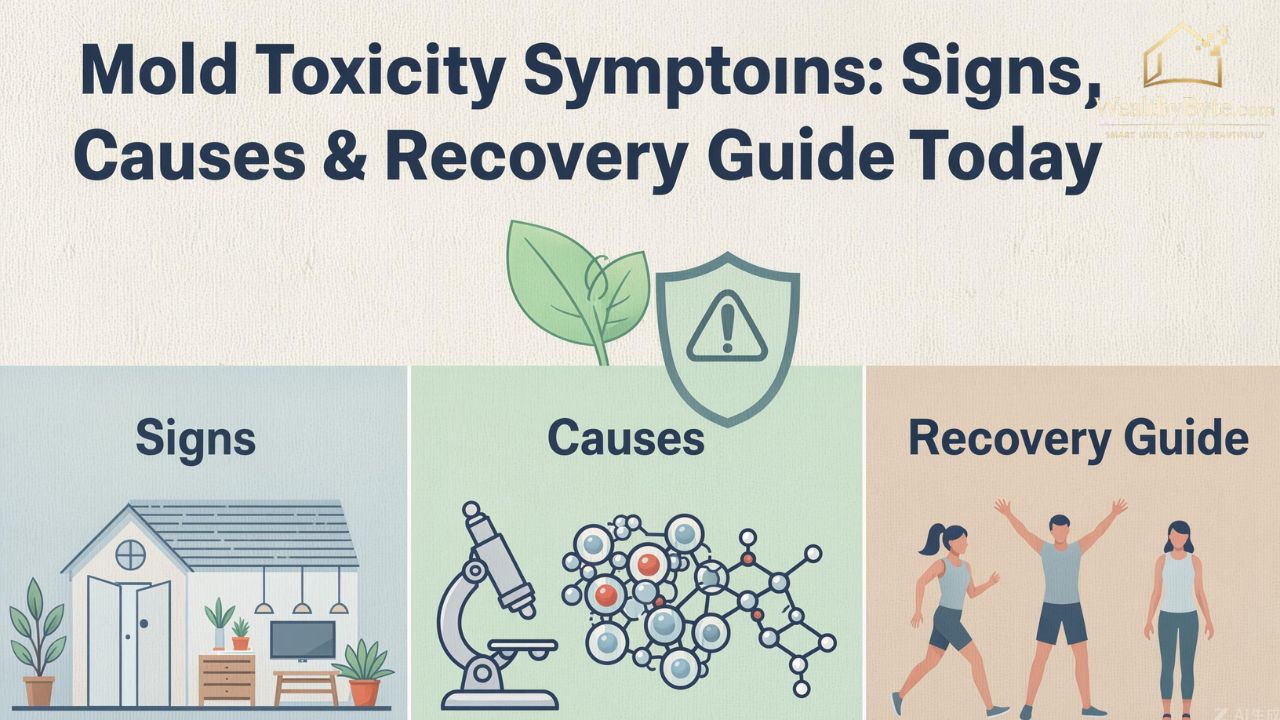
[Infographic: Common signs of mold exposure affecting the lungs, skin, brain, and immune system]
Awareness around indoor air quality has grown rapidly in recent years. According to the Environmental Protection Agency, indoor air can sometimes contain higher concentrations of pollutants than outdoor air. That matters because most people spend nearly 90% of their time indoors.
This guide breaks down the causes, warning signs, diagnosis process, treatment options, and prevention strategies in plain language. Whether you suspect hidden mold in your home or simply want to understand the risks, you will find practical and trustworthy answers here.
Table of Contents
- Understanding Mold Exposure
- What Causes Mold Growth Indoors
- Early Warning Signs and Physical Reactions
- How Mold Affects the Brain and Nervous System
- Respiratory and Immune System Effects
- Skin, Digestive, and Hormonal Changes
- Who Is Most at Risk
- How Doctors Diagnose Mold Illness
- Treatment and Recovery Strategies
- Mold Removal and Prevention Tips
- Frequently Asked Questions
- Conclusion
Understanding Mold Exposure
Mold is a type of fungus that thrives in damp, warm, and poorly ventilated spaces. It reproduces through microscopic spores that travel through the air and settle on surfaces. When moisture is present, those spores can multiply rapidly.
Common indoor molds include:
- Aspergillus
- Cladosporium
- Penicillium
- Stachybotrys chartarum, often called black mold
- Alternaria
Not all mold species are dangerous, but some release toxic compounds called mycotoxins. These substances may trigger inflammatory responses in sensitive individuals. That said, reactions vary dramatically from person to person.
A family living in the same house may have completely different experiences. One person may develop severe sinus congestion while another notices insomnia or mood changes. Genetics, immune health, age, and exposure duration all influence the body’s response.
What Causes Mold Growth Indoors
Indoor mold problems usually begin with excess moisture. Sometimes the source is obvious, like flooding or a burst pipe. In other cases, the problem hides behind walls or under flooring for months before anyone notices.
Common Sources of Indoor Mold
| Source | Why It Causes Problems |
|---|---|
| Roof leaks | Moisture collects in ceilings and insulation |
| Poor ventilation | Humidity builds up in bathrooms and kitchens |
| Flood damage | Water becomes trapped inside materials |
| HVAC systems | Damp ducts spread spores through the home |
| Condensation | Moisture forms around windows and pipes |
| Damp basements | Limited airflow encourages fungal growth |
Homes with older plumbing, poor drainage, or high humidity are especially vulnerable. Even modern homes can develop issues if ventilation systems are poorly maintained.
[Image Suggestion: A damp basement wall with visible mold patches and moisture damage]
Another overlooked factor is hidden water damage. Mold often grows behind drywall, beneath carpets, or inside air conditioning systems where people cannot easily see it.
Early Warning Signs and Physical Reactions
One of the hardest parts about identifying mold-related illness is that symptoms often resemble common conditions like allergies, stress, or seasonal colds. However, persistent or unexplained reactions should not be ignored.
Many people notice mold toxicity symptoms gradually rather than all at once. A person may first develop sinus congestion, then ongoing fatigue, followed by headaches or difficulty concentrating.
Common Early Symptoms
- Persistent fatigue
- Nasal congestion
- Sneezing and watery eyes
- Dry cough
- Frequent headaches
- Sore throat
- Dizziness
- Increased sensitivity to smells
- Muscle aches
- Brain fog
Some individuals describe feeling “inflamed all the time.” Others report waking up exhausted even after a full night of sleep.
Why Symptoms Can Feel Random
Mycotoxins can influence multiple body systems simultaneously. That is why symptoms may appear unrelated at first. Someone could experience digestive discomfort, anxiety, and skin irritation without realizing the root cause is environmental.
Interestingly, symptoms often improve when people leave the contaminated environment for several days. Travelers sometimes notice they feel dramatically better while staying at a hotel or visiting another city.
How Mold Affects the Brain and Nervous System
Neurological symptoms are among the most frustrating effects of long-term exposure. Many people struggle to explain the mental and emotional changes they experience.
Research suggests that inflammatory reactions triggered by mold exposure may influence cognitive function and the nervous system. Although more studies are still needed, many clinicians who specialize in environmental illness observe consistent neurological patterns.
Cognitive and Emotional Symptoms
People experiencing mold toxicity symptoms frequently report:
- Difficulty concentrating
- Memory problems
- Confusion
- Mood swings
- Anxiety
- Depression-like feelings
- Irritability
- Sleep disturbances
Imagine trying to work through a normal day while constantly forgetting tasks or losing focus during conversations. For some individuals, these issues become severe enough to affect careers and relationships.
Sleep and Stress Responses
Chronic exposure may also increase stress hormones and disrupt sleep cycles. Some people develop insomnia, while others sleep excessively but still feel exhausted.
In reality, the emotional toll can become overwhelming. People often feel dismissed because standard medical tests may appear normal.
Respiratory and Immune System Effects
The respiratory system is usually the first line of contact with airborne mold spores. As a result, breathing-related symptoms are incredibly common.
Respiratory Reactions
Common respiratory issues include:
- Wheezing
- Shortness of breath
- Chronic coughing
- Sinus infections
- Chest tightness
- Asthma flare-ups
Children, older adults, and people with asthma are especially vulnerable. In some cases, prolonged exposure may worsen existing respiratory conditions.
Immune System Inflammation
The immune system reacts to mold differently depending on the individual. Some people develop allergy-like responses, while others experience chronic inflammatory reactions.
Possible immune-related effects include:
- Swollen lymph nodes
- Increased chemical sensitivity
- Frequent infections
- Joint pain
- Chronic inflammation
However, not every reaction is caused directly by mold itself. Dust mites, bacteria, and poor ventilation often coexist in water-damaged environments, complicating the picture.
Skin, Digestive, and Hormonal Changes
When people think about mold illness, they usually picture coughing or sneezing. Yet the effects can extend far beyond the lungs.
Skin-Related Symptoms
Some individuals develop:
- Rashes
- Itching
- Hives
- Dry or flaky skin
- Burning sensations
These symptoms may appear intermittently, making them easy to misinterpret.
Digestive Issues
The gut and immune system are deeply connected. Some people exposed to mold report:
- Nausea
- Bloating
- Diarrhea
- Stomach discomfort
- Appetite changes
Long-term inflammation may disrupt gut bacteria balance, although research in this area is still evolving.
Hormonal and Metabolic Effects
Chronic stress from environmental toxins may influence hormone regulation. People dealing with mold toxicity symptoms sometimes describe:
- Irregular menstrual cycles
- Temperature sensitivity
- Adrenal fatigue-like symptoms
- Weight fluctuations
- Reduced exercise tolerance
That said, these symptoms can overlap with many other medical conditions. Proper evaluation is essential.
[Image Suggestion: A person looking exhausted while sitting in a poorly ventilated room]
Who Is Most at Risk
Not everyone reacts to mold in the same way. Certain groups tend to experience stronger or more persistent symptoms.
Higher-Risk Groups
- People with asthma or allergies
- Individuals with weakened immune systems
- Infants and young children
- Older adults
- People with autoimmune conditions
- Workers in water-damaged buildings
Some researchers believe genetic differences affect how efficiently the body removes toxins. This may explain why one family member becomes severely ill while another remains relatively unaffected.
Occupational exposure is another major concern. Teachers, healthcare workers, office employees, and construction workers sometimes spend years inside water-damaged buildings without realizing the long-term impact.
How Doctors Diagnose Mold Illness
Diagnosing mold-related illness can be complicated because symptoms overlap with many other conditions.
There is currently no single universally accepted test that confirms mold illness in every situation. Instead, doctors often combine symptom history, environmental exposure details, physical examinations, and laboratory testing.
Common Diagnostic Approaches
| Method | Purpose |
|---|---|
| Medical history review | Identifies exposure patterns |
| Allergy testing | Detects allergic reactions |
| Blood tests | Evaluates inflammation markers |
| Urine mycotoxin testing | Looks for toxin exposure |
| Home inspection | Identifies mold sources |
| Air quality testing | Measures airborne contaminants |
Some healthcare providers remain skeptical about certain testing methods, particularly urine mycotoxin tests. Therefore, it is important to work with a qualified professional who understands environmental exposure.
Signs Your Environment May Be the Problem
You should pay attention if:
- Symptoms worsen at home or work
- Multiple people in the building feel sick
- A musty odor is present
- Water damage is visible
- Symptoms improve when away from the property
These clues often help connect the dots.
Treatment and Recovery Strategies
Recovering from mold exposure is rarely about a single pill or quick fix. Most successful recovery plans involve reducing exposure while supporting the body’s healing process.
Step 1: Remove the Source
The most important step is addressing the environment itself. If exposure continues, symptoms may persist regardless of supplements or medication.
Professional remediation is often necessary for severe contamination. DIY cleaning may spread spores if done incorrectly.
Step 2: Improve Air Quality
Helpful strategies include:
- Using HEPA air purifiers
- Lowering indoor humidity below 50%
- Increasing ventilation
- Cleaning HVAC systems
- Replacing water-damaged materials
Step 3: Support the Body
Treatment plans vary depending on symptoms and medical history.
Some doctors recommend:
- Antihistamines
- Nasal sprays
- Anti-inflammatory diets
- Hydration support
- Sleep optimization
- Stress reduction techniques
- Detoxification support under medical guidance
A nutrient-rich diet may also help reduce inflammation. Foods high in antioxidants, omega-3 fatty acids, and fiber can support overall recovery.
Lifestyle Changes That Matter
People recovering from mold toxicity symptoms often underestimate the importance of small daily habits.
Helpful habits include:
- Spending time outdoors
- Improving sleep quality
- Reducing processed foods
- Managing stress levels
- Exercising gradually
- Avoiding additional environmental toxins
Recovery timelines vary widely. Some individuals improve within weeks, while others need many months to fully regain energy and cognitive clarity.
Mold Removal and Prevention Tips
Preventing mold growth is usually easier and less expensive than dealing with large-scale remediation later.
Simple Prevention Strategies
- Fix leaks immediately
- Use bathroom exhaust fans
- Keep indoor humidity low
- Dry wet materials within 24 to 48 hours
- Clean gutters regularly
- Inspect basements and attics seasonally
- Maintain HVAC systems
Choosing a Mold Remediation Company
If contamination is extensive, professional help is essential.
Look for companies that:
- Use containment barriers
- Perform post-remediation testing
- Follow EPA or industry guidelines
- Provide detailed inspection reports
- Avoid unrealistic health claims
Unfortunately, the mold industry is filled with both excellent professionals and questionable operators. Taking time to research credentials and reviews can prevent expensive mistakes.
Lifestyle and Mental Health Considerations
Living with chronic illness can feel isolating. Many people struggling with persistent exposure become frustrated after years of unexplained symptoms.
Friends and family may not understand why someone suddenly develops fatigue, anxiety, or sensitivity to everyday environments. That emotional burden is real.
People managing mold toxicity symptoms often benefit from community support, counseling, or stress-management techniques alongside medical treatment.
Building a Recovery-Friendly Environment
Small changes can make a surprisingly big difference:
- Open windows when weather allows
- Reduce clutter that traps dust
- Wash bedding regularly
- Use fragrance-free cleaning products
- Monitor humidity with a hygrometer
Creating a cleaner indoor environment can support both physical and emotional well-being.
Frequently Asked Questions
Can mold exposure make you feel tired all the time?
Yes. Chronic fatigue is one of the most commonly reported effects linked to mold exposure. Inflammatory responses, poor sleep, and immune stress may all contribute to exhaustion.
How long do mold-related symptoms last?
The timeline varies significantly. Some people recover within weeks after removing exposure, while others experience lingering symptoms for several months.
Are mold illnesses the same as mold allergies?
Not exactly. Allergies involve immune reactions to mold spores, while toxic exposure may involve broader inflammatory or neurological effects.
Can mold grow without being visible?
Absolutely. Mold often hides behind drywall, under carpets, inside insulation, or within HVAC systems.
What does black mold actually do to the body?
Black mold may trigger respiratory irritation, inflammation, allergic reactions, and neurological complaints in sensitive individuals. However, severity varies widely.
Is testing your home for mold worth it?
Testing can help identify hidden moisture problems and airborne contamination, especially when symptoms persist without explanation.
Can children become more sensitive to mold exposure?
Yes. Children have developing immune and respiratory systems, making them more vulnerable to environmental pollutants.
Do air purifiers help reduce mold spores?
HEPA air purifiers can reduce airborne particles and improve indoor air quality, although they do not eliminate the underlying moisture source.
Conclusion
Indoor mold problems are far more common than many people realize, and their effects can reach beyond simple allergies. From respiratory irritation and fatigue to cognitive changes and immune stress, mold exposure may influence multiple systems in the body.
The good news is that awareness, proper remediation, and supportive healthcare can make a meaningful difference. Paying attention to indoor air quality, moisture control, and persistent health changes may help you identify issues before they become overwhelming.
If you suspect your home or workplace is affecting your health, trust you