
Introduction
Stress has a strange way of sneaking into the body. Sometimes it shows up as anxiety or poor sleep. Other times it looks like stubborn belly fat, constant cravings, brain fog, exhaustion, or feeling “wired but tired.” That growing frustration is exactly why the idea of a cortisol detox diet has exploded across wellness blogs, TikTok videos, and hormone-health conversations.
The concept sounds appealing: eat certain foods, avoid others, calm your stress hormones, and finally feel balanced again. For people struggling with chronic stress, burnout, emotional eating, fatigue, or weight fluctuations, the promise of lowering cortisol naturally feels incredibly hopeful.
However, the internet has also created confusion around cortisol. Some wellness trends exaggerate hormone “detoxes” or promote unrealistic quick fixes. In reality, cortisol itself is not bad. It’s actually an essential hormone that helps regulate energy, metabolism, inflammation, blood sugar, and the body’s stress response.
The goal is not eliminating cortisol—it’s supporting healthier cortisol patterns through nutrition, sleep, movement, and stress management. This guide explores what a cortisol detox diet really means, what science says about cortisol and food, the best stress-supportive nutrients, and practical ways to feel more balanced without extreme dieting.
Table of Contents
What Is Cortisol?
What Is a Cortisol Detox Diet?
Signs of High Cortisol Levels
How Stress Affects the Body
Best Foods for a Cortisol Detox Diet
Foods That May Increase Cortisol
The Gut-Stress Connection
Cortisol Detox Diet and Weight Gain
Sleep, Cortisol, and Recovery
Lifestyle Habits That Support Healthy Cortisol
Common Myths About Cortisol Detoxes
Who Should Be Careful With Cortisol Diet Trends?
FAQs
Conclusion
What Is Cortisol?
Cortisol is a hormone produced by the adrenal glands. It’s often called the “stress hormone,” but its role goes far beyond stress alone.
What Cortisol Does
Cortisol helps regulate:
- Blood sugar
- Energy production
- Metabolism
- Inflammation
- Blood pressure
- Sleep-wake cycles
- Stress response
Without cortisol, the body could not function properly.
Why Cortisol Gets a Bad Reputation
Problems usually arise when cortisol remains elevated for long periods because of chronic stress, poor sleep, illness, overtraining, or emotional burnout.
Long-term elevated cortisol may contribute to:
- Fatigue
- Increased appetite
- Belly fat storage
- Sleep disruption
- Anxiety
- Mood swings
- Cravings
That’s why cortisol management has become such a major wellness topic.
What Is a Cortisol Detox Diet?
A cortisol detox diet is not a medically recognized detox program. Instead, it generally refers to an eating pattern designed to support healthier stress hormone regulation.
The Main Goals
Most cortisol-supportive diets aim to:
- Reduce inflammation
- Stabilize blood sugar
- Improve sleep quality
- Support gut health
- Lower stress-related eating
- Improve energy stability
What It Usually Includes
Common recommendations involve:
- Whole foods
- Balanced meals
- High-fiber foods
- Protein-rich meals
- Healthy fats
- Reduced ultra-processed foods
What It Should NOT Be
A true cortisol-supportive plan should not involve:
- Starvation diets
- Extreme juice cleanses
- Dangerous supplements
- Severe calorie restriction
Ironically, aggressive dieting itself can actually increase cortisol.
Signs of High Cortisol Levels
Cortisol naturally rises and falls throughout the day. However, chronic stress may disrupt these patterns.
Common Symptoms Linked to High Cortisol
People often report:
- Persistent fatigue
- Anxiety
- Irritability
- Sleep problems
- Sugar cravings
- Weight gain around the abdomen
- Brain fog
- Headaches
Physical Symptoms
Some individuals notice:
- Muscle tension
- Elevated blood pressure
- Digestive issues
- Acne flare-ups
- Hair thinning
Emotional Symptoms
Chronic stress can create emotional exhaustion too.
Women especially may describe feeling:
- Constantly overwhelmed
- Mentally “on edge”
- Emotionally drained
- Unable to relax
How Stress Affects the Body
Stress affects nearly every system in the body.
The Fight-or-Flight Response
When stress appears, cortisol and adrenaline help prepare the body to respond.
This temporarily increases:
- Alertness
- Blood sugar
- Heart rate
- Energy availability
Chronic Stress Changes Things
The problem comes when stress never truly shuts off.
Modern stressors include:
- Financial pressure
- Work burnout
- Parenting overload
- Sleep deprivation
- Constant screen exposure
- Emotional stress
The body often responds as though danger never ends.


Why Food Matters
Nutrition influences:
- Blood sugar regulation
- Inflammation
- Energy stability
- Neurotransmitter production
That’s why diet may indirectly affect cortisol balance.
Best Foods for a Cortisol Detox Diet
No single food magically “flushes out” cortisol. However, certain nutrients support stress resilience and metabolic stability.
High-Protein Foods
Protein helps stabilize blood sugar and supports neurotransmitter production.
Helpful choices include:
- Eggs
- Greek yogurt
- Fish
- Chicken
- Lentils
- Tofu
Omega-3 Rich Foods
Omega-3 fats may help support healthy inflammation responses.
Sources include:
- Salmon
- Sardines
- Chia seeds
- Flax seeds
- Walnuts
Magnesium-Rich Foods
Magnesium supports relaxation and nervous system function.
Good sources include:
| Food | Magnesium Benefit |
|---|---|
| Spinach | Muscle relaxation |
| Pumpkin seeds | Stress support |
| Almonds | Nervous system support |
| Avocados | Electrolyte balance |
High-Fiber Carbohydrates
Balanced carbohydrates help support serotonin production and stable energy.
Helpful options:
- Oats
- Sweet potatoes
- Quinoa
- Brown rice
- Berries
Fermented Foods
Gut health strongly influences stress resilience.
Foods like:
- Yogurt
- Kefir
- Kimchi
- Sauerkraut
may support microbiome diversity.
Foods That May Increase Cortisol
Some dietary habits may worsen stress-related symptoms.
Excess Sugar
Large sugar spikes can lead to:
- Energy crashes
- Cravings
- Mood instability
Too Much Caffeine
Moderate caffeine is fine for many people. However, excessive intake—especially on an empty stomach—may increase jitteriness and stress responses.
Ultra-Processed Foods
Highly processed foods may contribute to inflammation and unstable blood sugar patterns.
Excess Alcohol
Alcohol disrupts sleep quality and recovery, even when it initially feels relaxing.
The Gut-Stress Connection
The gut and brain constantly communicate through the gut-brain axis.
Why Gut Health Matters
An unhealthy gut may influence:
- Mood
- Inflammation
- Stress tolerance
- Energy levels
Stress Changes Digestion
Chronic stress may worsen:
- Bloating
- Constipation
- IBS symptoms
- Appetite changes
Fiber and Gut Bacteria
Fiber-rich foods feed beneficial gut bacteria that support overall wellness.
Cortisol Detox Diet and Weight Gain
One major reason people search for cortisol detox diet plans is weight gain—especially around the abdomen.
Cortisol and Belly Fat
Chronic stress may influence:
- Emotional eating
- Sugar cravings
- Fat storage patterns
- Sleep disruption
Stress Eating Is Real
Many people reach for comfort foods during stress because cortisol can influence appetite and reward pathways.
Blood Sugar Stability Matters
Balanced meals containing:
- Protein
- Fiber
- Healthy fats
may help reduce energy crashes and cravings.


Extreme Dieting Backfires
Overly restrictive diets may raise stress hormones further.
This is one reason sustainable eating patterns work better long-term.
Sleep, Cortisol, and Recovery
Sleep and cortisol are deeply connected.
Healthy Cortisol Rhythm
Normally:
- Cortisol rises in the morning
- Gradually lowers throughout the day
- Reaches its lowest point overnight
Poor Sleep Disrupts This Pattern
Sleep deprivation may increase:
- Hunger hormones
- Cravings
- Stress sensitivity
- Fatigue
Foods That Support Better Sleep
Helpful evening foods may include:
- Tart cherries
- Kiwi
- Oats
- Magnesium-rich snacks
Nighttime Habits Matter Too
Avoiding:
- Heavy late-night meals
- Excess alcohol
- Screens before bed
may support healthier sleep quality.
Lifestyle Habits That Support Healthy Cortisol
Diet alone cannot fix chronic stress.
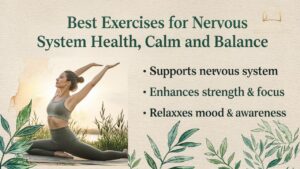
Gentle Movement
Moderate exercise helps regulate stress responses.
Helpful forms include:
- Walking
- Yoga
- Strength training
- Cycling
- Swimming
Avoid Overtraining
Too much intense exercise without recovery may increase stress hormones.
Stress Management Practices
Simple habits can help significantly:
- Deep breathing
- Journaling
- Meditation
- Prayer
- Nature walks
- Therapy
Social Support Matters
Human connection plays a major role in stress resilience.
Common Myths About Cortisol Detoxes
The wellness industry often oversimplifies hormones.
Myth: Cortisol Is Always Bad
False. Cortisol is essential for survival.
Myth: One Food Can “Detox” Cortisol
No single smoothie, tea, or supplement instantly resets hormones.
Myth: Extreme Cleanses Heal Stress
Severe restriction may actually worsen stress responses.
Myth: Belly Fat Always Means High Cortisol
Weight gain involves many factors:
- Genetics
- Sleep
- Nutrition
- Hormones
- Activity levels
Who Should Be Careful With Cortisol Diet Trends?
Certain individuals should avoid extreme online advice.
People With Eating Disorders
Restrictive wellness plans may worsen disordered eating behaviors.
Individuals With Medical Conditions
Conditions like:
- Diabetes
- Thyroid disease
- Adrenal disorders
require professional medical guidance.
Pregnant Women
Pregnancy changes hormone patterns significantly, so individualized care matters.
Cortisol Detox Diet Meal Ideas
Many people struggle with practical implementation.
Breakfast Ideas
- Oatmeal with berries and flax seeds
- Eggs with avocado toast
- Greek yogurt with nuts
Lunch Ideas
- Salmon salad with olive oil dressing
- Quinoa bowls with roasted vegetables
- Chicken and brown rice bowls
Dinner Ideas
- Lentil soup
- Grilled fish with sweet potatoes
- Stir-fried vegetables with tofu
Snacks
- Pumpkin seeds
- Almonds
- Apple slices with nut butter
FAQs
Frequently Asked Questions
Does a cortisol detox diet actually work?
A healthy diet may support stress regulation, energy balance, and blood sugar stability. However, there is no scientific evidence for a literal “cortisol detox.”
What foods lower cortisol naturally?
Foods rich in magnesium, omega-3 fats, fiber, and antioxidants may support healthier stress responses.
Can cortisol cause belly fat?
Chronic stress may influence abdominal fat storage, cravings, and appetite patterns.
How long does it take to lower cortisol levels?
Improvement varies depending on stress levels, sleep quality, lifestyle habits, and overall health.
Is caffeine bad for cortisol?
Moderate caffeine intake is usually fine, but excessive caffeine may worsen anxiety and stress symptoms in some individuals.
Can poor sleep raise cortisol?
Yes. Sleep deprivation strongly affects cortisol regulation and stress hormone balance.
Are cortisol detox supplements necessary?
Not usually. Most people benefit more from balanced nutrition, stress management, sleep, and physical activity.
Can exercise lower cortisol?
Moderate exercise often helps stress regulation, though excessive intense training may increase cortisol temporarily.
Is fasting good for cortisol?
For some individuals, prolonged fasting may increase stress hormones and worsen fatigue or cravings.
Conclusion
The growing popularity of the cortisol detox diet reflects something very real: people are exhausted. Chronic stress, poor sleep, emotional overload, processed foods, and nonstop modern pressure leave many individuals feeling physically and mentally drained.
At its best, a cortisol-supportive diet encourages healthier habits that genuinely help the body cope better with stress. Whole foods, balanced meals, hydration, better sleep, movement, and nervous system support can absolutely improve energy, mood, cravings, and overall wellness.
At the same time, it’s important to separate science from marketing hype. Cortisol is not a toxin that needs cleansing from the body. It’s a critical hormone that becomes problematic mainly when stress remains chronic and unmanaged.
Ultimately, the most effective “cortisol detox” is rarely extreme. It usually looks much simpler: nourishing meals, enough sleep, supportive relationships, realistic routines, and giving the body permission to recover instead of constantly staying in survival mode.