Introduction
Tiny seeds probably aren’t the first thing most people think about when discussing hormones. Yet over the last few years, seed cycling has exploded across social media, wellness blogs, and holistic health communities as a natural approach to supporting menstrual cycle health.
The idea sounds simple enough: eat certain seeds during different phases of the menstrual cycle to supposedly support estrogen and progesterone balance. Supporters claim it may help with PMS, irregular periods, acne, fertility awareness, mood swings, and even perimenopause symptoms.


However, the growing popularity of seed cycling has also raised important questions. Is there actual science behind it? Are hormone-balancing claims exaggerated? And why are so many women reporting positive experiences despite limited clinical research?
In reality, the answer sits somewhere between nutrition science, hormonal health, lifestyle habits, and personal experimentation. This guide breaks down what seed cycling is, how it works, potential benefits, possible limitations, and how to try it safely without unrealistic expectations.
Table of Contents
What Is Seed Cycling?
How Seed Cycling Works
The Menstrual Cycle and Hormones
Seeds Used in Seed Cycling
Potential Benefits of Seed Cycling
What Science Says About Seed Cycling
Seed Cycling for PMS and Hormone Symptoms
Seed Cycling During Perimenopause and Menopause
How to Start Seed Cycling
Best Ways to Eat the Seeds
Risks and Possible Side Effects
Who Should Avoid Seed Cycling?
FAQs
Conclusion
What Is Seed Cycling?
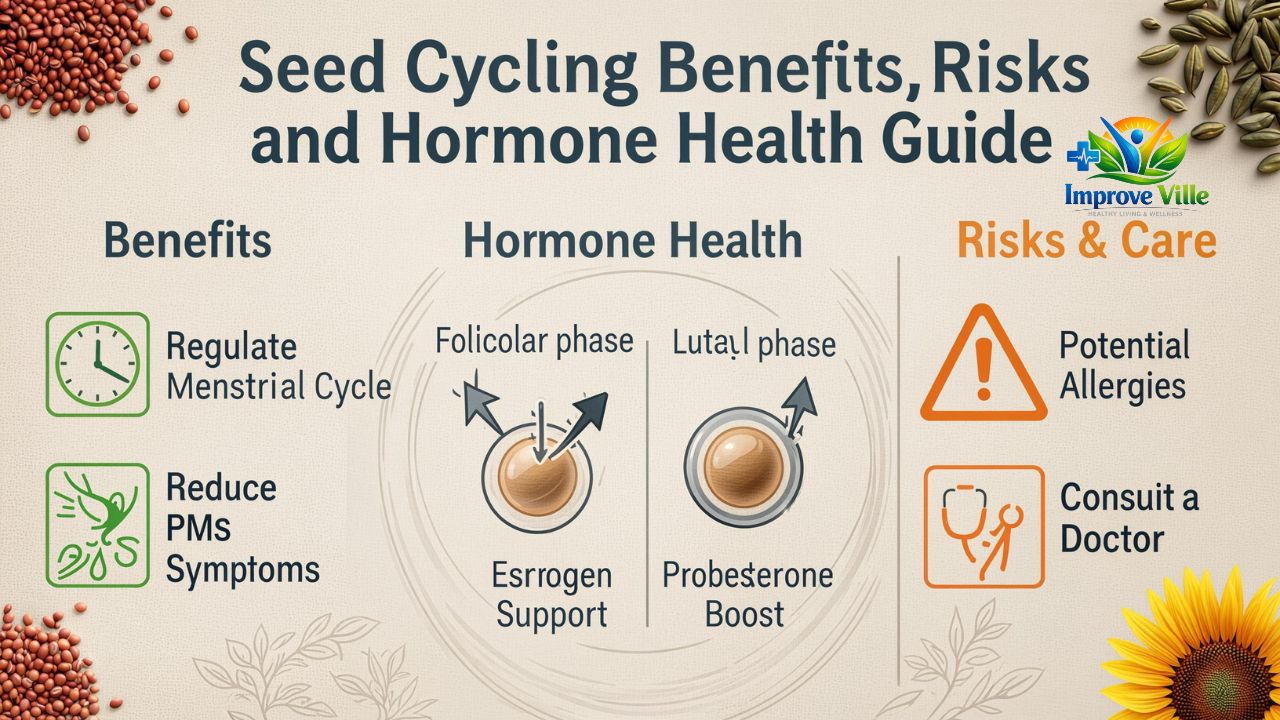
Seed cycling is a nutrition-based wellness practice that involves eating specific seeds during different phases of the menstrual cycle.
The method typically follows this pattern:
| Cycle Phase | Days | Seeds |
|---|---|---|
| Follicular Phase | Day 1–14 | Flax and pumpkin seeds |
| Luteal Phase | Day 15–28 | Sesame and sunflower seeds |
The theory behind seed cycling is that nutrients within certain seeds may support hormone production and balance naturally.
Decor Home Cafe inspires stylish living with creative ideas from Havenly DIY and timeless trends from Grandmillennial.net. Discover unique pieces through Faire Decor and elevate your space with practical tips from DIY apt therapy. Create a warm, personalized home filled with charm, comfort, and beautiful design inspiration.
Why People Are Interested
Many women feel frustrated by hormonal symptoms such as:
- PMS
- Mood swings
- Acne
- Irregular periods
- Bloating
- Fatigue
- Painful cycles
Because of that, natural hormone-support strategies have become increasingly popular.
Is It a Medical Treatment?
No. Seed cycling is considered a wellness or nutritional practice rather than a medically proven hormone therapy.
That distinction matters.
While seeds themselves are highly nutritious, scientific evidence directly proving seed cycling balances hormones remains limited.
How Seed Cycling Works
The idea behind seed cycling centers around supporting estrogen and progesterone during different menstrual phases.
Follicular Phase
The follicular phase begins on the first day of menstruation and lasts until ovulation.
During this phase, seed cycling recommends:
- 1 tablespoon ground flax seeds
- 1 tablespoon pumpkin seeds daily
Why These Seeds?
Flax seeds contain lignans, compounds that may influence estrogen metabolism.
Pumpkin seeds provide:
- Zinc
- Magnesium
- Healthy fats
These nutrients support overall reproductive health.
Luteal Phase
After ovulation comes the luteal phase.
During this stage, seed cycling recommends:
- 1 tablespoon sesame seeds
- 1 tablespoon sunflower seeds daily
Purpose of Luteal Seeds
Sesame seeds also contain lignans, while sunflower seeds provide:
- Vitamin E
- Selenium
These nutrients may support progesterone production and antioxidant activity.
The Menstrual Cycle and Hormones
To understand seed cycling properly, it helps to understand how hormones fluctuate naturally.
Estrogen
Estrogen rises during the follicular phase and peaks around ovulation.
It influences:
- Mood
- Skin health
- Energy
- Bone health
- Reproductive function
Progesterone
Progesterone rises after ovulation during the luteal phase.
It helps prepare the body for possible pregnancy and influences:
- Sleep
- Body temperature
- Mood
- Fluid balance
Hormonal Imbalances
Many women experience symptoms when hormone fluctuations feel extreme or irregular.
Possible symptoms include:
- Acne
- Cramping
- Breast tenderness
- Anxiety
- Heavy periods
- Fatigue
This is where seed cycling enters the conversation.
Seeds Used in Seed Cycling
Each seed contributes unique nutrients.
Flax Seeds
Flax seeds are rich in:
- Omega-3 fatty acids
- Fiber
- Lignans
Potential benefits include:
- Digestive support
- Heart health
- Cholesterol management
Pumpkin Seeds
Pumpkin seeds provide:
- Zinc
- Iron
- Magnesium
- Healthy fats
Zinc plays an important role in reproductive and immune health.


Sesame Seeds
Sesame seeds contain:
- Calcium
- Lignans
- Iron
- Healthy fats
Sunflower Seeds
Sunflower seeds are especially rich in:
- Vitamin E
- Selenium
- Copper
Vitamin E is often associated with reproductive and skin health.
Potential Benefits of Seed Cycling
Although direct scientific research on seed cycling itself remains limited, many women report positive changes.
PMS Symptom Support
Some women notice improvements in:
- Cramping
- Breast tenderness
- Mood swings
- Bloating
However, it’s difficult to determine whether seeds alone cause these effects.
Improved Nutrient Intake
One undeniable benefit is improved nutrition.
Seeds contain:
- Fiber
- Healthy fats
- Minerals
- Antioxidants
These nutrients support overall health regardless of hormone effects.
Digestive Health
Fiber from seeds may help improve:
- Constipation
- Gut microbiome balance
- Blood sugar stability
Healthier Eating Habits
Interestingly, many women practicing seed cycling become more intentional about:
- Meal planning
- Whole foods
- Hydration
- Tracking cycles
That overall lifestyle awareness may contribute to symptom improvements too.
What Science Says About Seed Cycling
This is where things become more nuanced.
Limited Direct Research
Currently, there are very few large-scale clinical studies specifically evaluating seed cycling as a hormone-balancing protocol.
That means claims should be approached carefully.
Nutritional Science Still Supports Seeds
While seed cycling itself lacks strong evidence, the individual seeds do have researched health benefits.
For example:
| Seed | Supported Benefits |
|---|---|
| Flax | Fiber and omega-3 support |
| Pumpkin | Magnesium and zinc intake |
| Sesame | Antioxidant compounds |
| Sunflower | Vitamin E source |
Why Anecdotal Reports Matter
Many women genuinely report feeling better.
Possible explanations include:
- Better nutrition
- Increased fiber
- Reduced processed foods
- Improved blood sugar balance
- Placebo effect
- Increased body awareness
In reality, wellness practices often involve multiple overlapping factors.
Seed Cycling for PMS and Hormone Symptoms
PMS remains one of the main reasons women try seed cycling.
Common PMS Symptoms
- Irritability
- Mood changes
- Fatigue
- Cravings
- Bloating
- Acne
Why Nutrition Matters
Hormones rely heavily on overall nutritional status.
Deficiencies in:
- Magnesium
- Zinc
- Essential fats
may worsen certain symptoms.
Emotional Component
There’s also something psychologically grounding about intentionally supporting the body through different cycle phases.
Many women describe feeling more connected to their health rather than constantly fighting it.
Seed Cycling During Perimenopause and Menopause
Some wellness practitioners adapt seed cycling for women no longer menstruating.
Modified Approach
Common approaches include:
- Following moon cycles
- Alternating seeds every two weeks
Why Women Try It
Perimenopause often brings:
- Mood swings
- Hot flashes
- Sleep disruption
- Weight changes
Women seeking natural support frequently experiment with nutrition-based methods first.
Important Reality Check
Seed cycling should not replace medical evaluation for severe hormonal symptoms.
Conditions like:
- Thyroid disorders
- PCOS
- Endometriosis
- Premature menopause
require professional care.
How to Start Seed Cycling
One reason seed cycling became so popular is its simplicity.
Basic Daily Routine
Follicular Phase
Days 1–14:
- 1 tablespoon ground flax seeds
- 1 tablespoon pumpkin seeds
Luteal Phase
Days 15–28:
- 1 tablespoon sesame seeds
- 1 tablespoon sunflower seeds
What If Cycles Are Irregular?
Women with irregular cycles often:
- Estimate phases
- Follow moon cycles
- Track ovulation symptoms
Consistency Matters
Like many nutrition practices, benefits—if they occur—usually take time and consistency.
Best Ways to Eat the Seeds
The easiest approach is incorporating seeds into regular meals.
Smoothies
Many women add ground seeds to smoothies.
Yogurt and Oatmeal
Seeds mix easily into:
- Yogurt bowls
- Overnight oats
- Porridge
Salads and Soups
Sesame and sunflower seeds work well as toppings.
Why Ground Seeds Matter
Ground flax seeds are generally absorbed better than whole flax seeds.
Whole seeds may pass through digestion relatively unchanged.


Risks and Possible Side Effects
For most healthy people, seeds are safe in moderate amounts.
However, there are some considerations.
Digestive Issues
Suddenly increasing fiber intake may cause:
- Gas
- Bloating
- Cramping
Allergies
Some individuals have seed allergies.
Medication Interactions
Flax seeds may interact with certain medications or affect absorption timing.
Unrealistic Expectations
One concern surrounding seed cycling is exaggerated marketing.
No food-based protocol can instantly “fix” all hormone issues.
Who Should Avoid Seed Cycling?
Certain individuals should speak with healthcare providers first.
People With Severe Hormonal Conditions
Conditions like:
- PCOS
- Endometriosis
- Thyroid disease
often require medical treatment beyond dietary adjustments.
Individuals With Digestive Disorders
High-fiber foods may aggravate some gastrointestinal conditions.
Those With Seed Allergies
Avoid seed cycling entirely if allergic reactions occur.
Seed Cycling and Fertility Awareness
Another reason women explore seed cycling involves fertility tracking and reproductive wellness.
Possible Fertility Support
Supporters believe nutritional support may help:
- Ovulation regularity
- Cervical mucus quality
- Hormonal stability
Important Perspective
Infertility is complex.
Seed cycling alone is unlikely to resolve serious reproductive disorders.
Still, nutrient-dense foods may complement broader fertility-support strategies.
FAQs
Frequently Asked Questions
Does seed cycling actually work?
Scientific evidence specifically supporting seed cycling is limited. However, many women report symptom improvements, and the seeds themselves are highly nutritious.
How long does seed cycling take to work?
Women who notice benefits often report changes after 2–3 menstrual cycles.
Can seed cycling regulate periods?
Some people claim improved cycle regularity, though research remains limited.
Is seed cycling safe?
For most healthy individuals, yes. However, allergies, digestive sensitivity, or medical conditions may require caution.
Can seed cycling help with acne?
Some women report skin improvements, possibly linked to nutrition changes or hormone fluctuations.
Do I need regular periods to try seed cycling?
No. Women with irregular cycles often follow estimated phases or moon cycles instead.
Should seeds be raw or roasted?
Raw or lightly roasted seeds are commonly recommended to preserve nutrients.
Can men do seed cycling?
The practice is primarily designed around female hormone cycles, though the seeds themselves remain healthy foods for anyone.
Is seed cycling good for menopause?
Some menopausal women use modified seed cycling routines for wellness support, though scientific evidence remains limited.
Conclusion
Seed cycling sits at the intersection of nutrition, hormone awareness, wellness culture, and personal experimentation. While scientific evidence directly supporting hormone-balancing claims remains limited, the practice has still resonated deeply with many women searching for more natural ways to support their bodies.
At the very least, incorporating nutrient-rich seeds into daily meals can improve fiber intake, healthy fats, minerals, and overall diet quality. For some women, that alone may positively influence energy, digestion, PMS symptoms, and overall well-being.
At the same time, it’s important to keep expectations realistic. Seed cycling is not a miracle cure for hormonal disorders, fertility challenges, or severe menstrual symptoms. Persistent concerns deserve proper medical evaluation.
Ultimately, seed cycling may work best as part of a broader wellness approach—one that includes balanced nutrition, stress management, movement, sleep, and understanding how the body changes throughout different phases of life.