Introduction
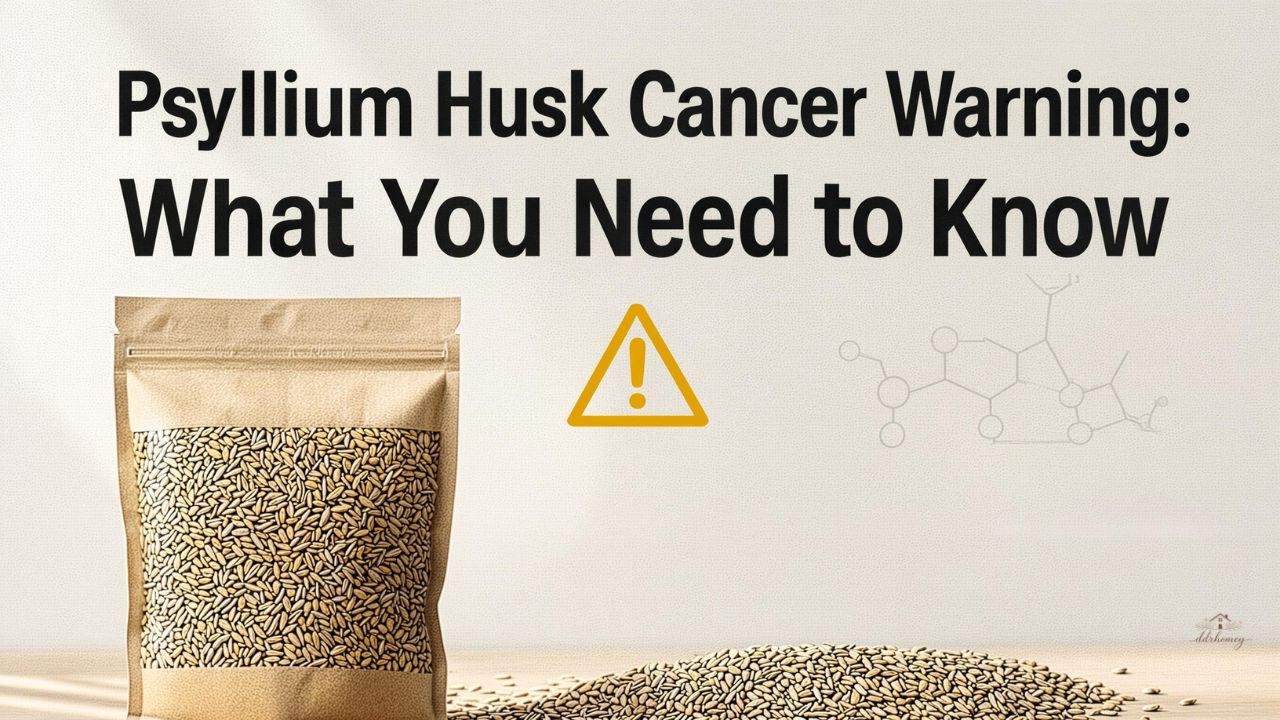
Psyllium husk has long been known as a powerful dietary supplement, praised for its ability to support digestion and promote gut health. But recently, questions have arisen about whether there might be a darker side to this natural remedy. Specifically, can psyllium husk pose a cancer risk? While many people rely on it for its laxative properties and ability to alleviate constipation, it’s important to be aware of potential health warnings.
In this article, we’ll dive into the psyllium husk cancer warning, separating fact from fiction. We’ll explore how this supplement works, the potential risks it might carry, and whether you need to worry about its cancer-related concerns. Let’s examine the available research and find out if psyllium husk could truly be a threat to your health.
What is Psyllium Husk and How Does It Work?
Psyllium husk is derived from the seeds of the Plantago ovata plant, a shrub native to India and Pakistan. It is widely used as a fiber supplement due to its high soluble fiber content. When mixed with water, psyllium husk expands into a gel-like substance, which helps to move stool through the intestines, providing relief for constipation.
Besides aiding digestion, psyllium husk also plays a role in managing cholesterol levels and regulating blood sugar. It’s commonly added to foods like cereals and health drinks or taken in capsule form. Despite its many benefits, its potential link to cancer has raised concerns among some health experts.
Psyllium Husk and Cancer Risk: What Does the Research Say?
While psyllium husk has an impressive list of health benefits, there has been some speculation about its potential links to cancer. However, the evidence remains sparse and inconclusive. The main concern arises from the fact that psyllium husk is often treated with pesticides during its cultivation, which could introduce harmful chemicals.
Are There Any Direct Cancer Links?
At present, no comprehensive studies directly link psyllium husk consumption to cancer in humans. The vast majority of research on psyllium husk has focused on its digestive benefits, and it is generally considered safe when used appropriately.
However, like many agricultural products, there’s a concern that exposure to pesticides and other chemicals used during the processing of psyllium husk may introduce carcinogenic risks. Some experts believe that when consumed in large quantities over extended periods, the toxins from these chemicals might build up in the body, potentially increasing cancer risks.
The Role of Additives in Psyllium Husk Products
Most psyllium husk products on the market are processed and may contain added chemicals or preservatives to improve shelf life. While these additives are generally deemed safe in small amounts, some may carry hidden risks. For example, certain synthetic additives could disrupt hormones or interfere with the body’s natural detoxification processes, potentially raising concerns about cancer development.
Pesticide Residue: A Hidden Threat?
The pesticides used in farming psyllium husk might contain substances that are harmful in large quantities. Though most psyllium husk products are washed and processed before being packaged, traces of these chemicals may remain. Some of these pesticides have been linked to increased cancer risks in animal studies, though the impact on humans is still being investigated.
Potential Benefits of Psyllium Husk: Balancing the Risks
Despite the concerns about cancer risks, it’s important to consider the many benefits of psyllium husk. For those seeking natural solutions to digestive issues, psyllium husk can be a powerful aid. Here are a few of the key health benefits associated with this supplement:
- Promotes Healthy Digestion: Psyllium husk is known for its ability to relieve constipation and improve overall gut health.
- Supports Heart Health: Studies have shown that it may help lower cholesterol levels by binding to bile acids, which aids in their excretion.
- Helps Regulate Blood Sugar: As a soluble fiber, psyllium husk can slow the absorption of sugar into the bloodstream, which helps control blood sugar levels, particularly for diabetics.
These benefits make psyllium husk a go-to supplement for many health-conscious individuals. However, like any supplement, it’s important to use it with caution and be mindful of any potential side effects or health risks.
How to Minimize Risks When Using Psyllium Husk
If you’re concerned about the potential risks associated with psyllium husk, there are several strategies you can use to reduce your exposure to harmful chemicals:
Choose Organic or Purified Psyllium Husk
Opt for organic psyllium husk products that are less likely to be treated with harmful pesticides or chemicals. These products typically go through more rigorous testing to ensure they are free of harmful substances.
Be Mindful of Dosage
While psyllium husk is generally safe, overconsumption can lead to digestive issues or other health concerns. Always follow the recommended dosage on the product label and consult with a healthcare provider if you have any concerns, particularly if you plan to use it long-term.
Drink Plenty of Water
Psyllium husk absorbs water in the digestive tract, so it’s important to drink plenty of fluids while taking this supplement. Not doing so can lead to digestive discomfort or blockages.
Frequently Asked Questions
Does psyllium husk cause cancer?
Currently, there is no conclusive evidence linking psyllium husk to cancer. The main concern comes from potential pesticide residue in some products, but the evidence is not strong enough to draw definitive conclusions.
How much psyllium husk is safe to consume daily?
The typical daily dosage of psyllium husk is around 5-10 grams, which can be taken in one or two doses. Always follow the dosage instructions on the product label to avoid any potential side effects.
Is organic psyllium husk safer than non-organic?
Organic psyllium husk is less likely to contain harmful pesticides or chemicals compared to non-organic varieties. Choosing organic products may reduce your exposure to potentially harmful substances.
Can psyllium husk help with weight loss?
Yes, psyllium husk can help with weight loss by promoting feelings of fullness and aiding digestion. However, it should be used alongside a balanced diet and exercise for the best results.
Can psyllium husk interact with medications?
Psyllium husk may interfere with the absorption of certain medications. Always check with your healthcare provider before adding psyllium husk to your routine, especially if you are taking medications.
What are the side effects of psyllium husk?
Most people tolerate psyllium husk well, but some may experience mild side effects such as bloating, gas, or stomach discomfort. Drinking plenty of water can help alleviate these issues.
Conclusion
Psyllium husk is a well-known supplement that offers a wide range of digestive benefits, but concerns about its potential cancer risks have led some to question its safety. While no direct links to cancer have been established, it’s important to be mindful of the quality of the psyllium husk you choose and the amount you consume. By opting for organic, pesticide-free products and adhering to the recommended dosage, you can enjoy the benefits of this natural supplement while minimizing any potential risks. As with any supplement, it’s always a good idea to consult with a healthcare professional to ensure it’s right for your health needs.