Introduction
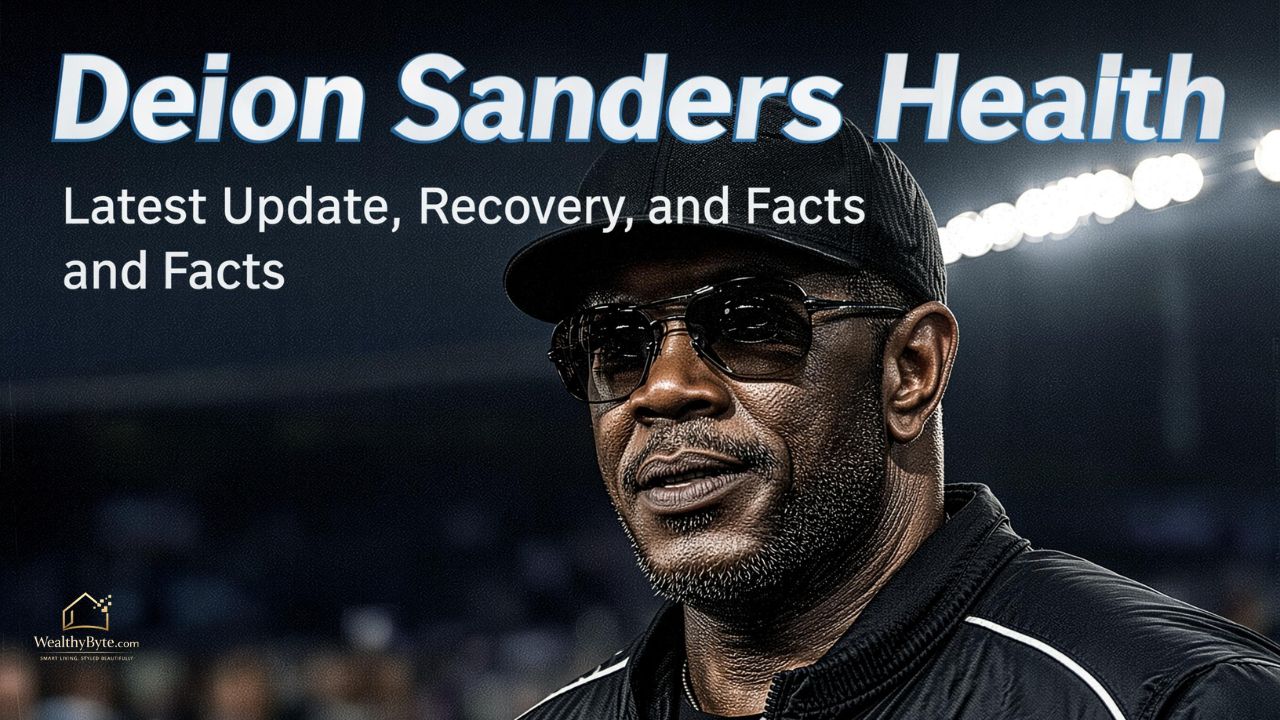
Some sports stories fade in a day, but Deion Sanders health keeps pulling people back because it sits at the intersection of celebrity, uncertainty, and real medical stakes. Fans are not just looking for gossip. They want to know what is true, what he has actually gone through, and how he keeps showing up in one of the most demanding jobs in college football.
The public record shows a long and serious medical journey. Sanders dealt with blood clot complications that led to the amputation of two toes in 2021, had another clot-related procedure in 2023, revealed in 2025 that doctors found a malignant bladder tumor during a routine scan, and later said he was cancer-free after surgery. In spring 2026, he also said he was “good” after dealing with blood clots again for a few days.
What makes this story hit harder is that it speaks to something bigger than football. It is about how fast health can change, how easy it is to ignore warning signs, and how a public figure can end up educating people simply by being honest about what happened.
This article breaks down the confirmed timeline, what his doctors have said, what his recent updates really mean, and why his story has become part medical news, part leadership story, and part lesson in not taking routine checkups for granted.
Why Deion Sanders Health Became a National Talking Point
A lot of athlete injury stories stay inside the sports world. This one did not. Sanders is one of the most recognizable figures in American sports, and his medical issues were visible, recurring, and at times dramatic. Losing two toes because of blood clot complications is not a routine sports headline, and neither is returning to coach after bladder cancer treatment.
The attention also grew because his updates came in stages. First, there were clot-related problems that affected his mobility and led to multiple procedures. Later, there was a period in 2025 when he was away from the program and publicly said he was still going through something before finally revealing that doctors had found bladder cancer and removed his bladder. That kind of slow, incomplete timeline naturally creates curiosity, concern, and rumor.
The Confirmed Timeline Behind His Medical Journey
What Deion Sanders Health Updates Have Confirmed
The biggest reason people keep searching Deion Sanders health is that the confirmed story stretches across several years, not one isolated scare. In 2021, while coaching at Jackson State, he developed clot-related complications that led to the amputation of two toes on his left foot. In 2023, he missed Pac-12 media day because he needed another procedure to remove a blood clot from his right leg and straighten toes on his left foot.
Then came the most serious public update. During a routine CT scan in 2025, doctors noticed a mass on his bladder. According to Colorado’s official release, he was diagnosed with a malignant tumor that had not reached the muscle layer but was still considered very high risk, with doctors citing a significant chance of recurrence or progression with bladder-only treatments. He underwent surgery in late spring, and his care team later said he was fully recovered, cancer-free, and would be monitored with periodic scans.
How Serious Was the Bladder Cancer Diagnosis?
This part matters because there was a lot of public confusion around the word “cured.” Sanders’ doctors and reporting from AP, Reuters, and Colorado’s own medical team all pointed in the same direction: the tumor was dangerous enough that surgery was chosen, his bladder was removed, and his doctors later said the operation had removed the cancer successfully. That does not make the experience small. It makes it serious, early-detected, and aggressively treated.
His reconstruction also got attention for a reason. Colorado and UCHealth said surgeons created a new bladder using part of his small intestine, a procedure known as a neobladder. That detail helps explain why Sanders later spoke openly about major lifestyle changes, weight loss, and the day-to-day adjustment that came after surgery. Reuters reported that he said he lost about 25 pounds during recovery and was still adapting to changes in bathroom function.
Bladder cancer is not rare, and it is more common in men than in women. The American Cancer Society’s 2026 estimates put new U.S. bladder cancer cases at 84,530, including about 64,730 in men. Common symptoms can include blood in the urine, frequent urination, painful urination, and back pain. Those warning signs matter because the disease can be mistaken for less serious urinary problems, especially early on.
The Blood Clot History That Changed Everything
Before the cancer story, Sanders had already been through years of vascular trouble. The AP reported that his 2021 toe amputations were caused by blood clots stemming from a previous surgery. In 2023, another clot had to be removed from his right leg. In October 2025, ESPN reported he underwent yet another procedure related to blood clots and hoped to return to practice right away. In April 2026, AP reporting said he had recently stepped away for a few days because of blood clots again, though he told reporters, “I’m good.”
That repeat pattern is part of why this story has stayed in the news. It is not one diagnosis replacing another. It is a chain of health events, with vascular issues remaining part of the picture even after the cancer treatment became public. That is why Deion Sanders health remains bigger than tabloid curiosity. It has been a real, ongoing medical journey with visible effects on his body, schedule, and coaching routine.
Common warning signs linked to these conditions include:
- leg swelling, warmth, or calf pain for deep vein thrombosis
- blood in the urine, frequent urination, or painful urination for bladder cancer
- unexplained fatigue, appetite loss, or weight loss when illness becomes more advanced
What Deion Sanders Health Means for Colorado and His Public Image
By spring 2026, Sanders was back in a more hands-on role with Colorado. AP reported that he was active on the field during the spring game, moved around the practice area, and repeatedly told reporters he was doing well. That alone changed the tone of the public conversation. People were no longer asking only whether he would return. They were watching how he looked, how he moved, and how involved he seemed.
It also added another layer to his public image. Sanders has always built his brand around energy, confidence, and presence. A health battle can challenge that image, but in his case it almost strengthened it. He did not come back sounding defeated. He came back talking about life, gratitude, work, and the need for people to get checked before a silent problem becomes a crisis. Reuters and UCHealth both highlighted that message after his cancer announcement.
For Colorado, this matters beyond emotion. A head coach is not a symbolic figure only. He shapes practices, meetings, recruiting, messaging, and momentum. When Sanders said it is different when he is there, that was not empty drama. It was a reminder that leadership presence still counts in major college football, even in an era full of coordinators, analysts, and support staff.
Why Rumors Spread Faster Than Facts
Whenever a famous person deals with repeated medical problems, speculation rushes in. That happened here too. Reuters published a fact check in 2022 debunking a false claim that Sanders’ toe amputations were caused by the COVID-19 vaccine. The reporting said the clots stemmed from surgery complications, not the vaccine.
That is a good reminder for anyone following this story now. The verified facts are already significant enough. He has a documented history of blood clot complications. He did lose two toes. He did undergo more than one clot-related procedure. He was diagnosed with bladder cancer in 2025. His doctors later said he was cancer-free. He also said in 2026 that he was doing well after another spring episode involving blood clots. None of that needs dramatic additions to make it meaningful.
The Bigger Lesson in His Story
There is a reason this story resonates even with people who do not follow Colorado football. Sanders’ experience puts a spotlight on how routine scans can catch life-changing problems early. Colorado’s official release said the bladder mass was found during a routine checkup CT scan. That one detail may be the most powerful part of the whole story.
It also says something about men’s health in plain terms. Many men ignore symptoms, postpone appointments, or assume they can power through discomfort. Sanders himself used his platform to tell people to get checked. That message landed because it came from someone whose public image has always been built on toughness. When a figure like that says early medical attention matters, people listen differently.
FAQ
What is the latest Deion Sanders health update?
The most recent widely reported update came during Colorado’s spring game in April 2026, when Sanders said he was “good” after dealing with blood clots for a few days earlier in the spring. AP reporting described him as active and hands-on during the scrimmage.
Did Deion Sanders have cancer?
Yes. In 2025, Sanders publicly revealed that doctors found a malignant bladder tumor. Colorado’s medical team and AP reporting said he underwent surgery, had his bladder removed, and was later considered cured or cancer-free by his doctors.
What type of cancer did he have?
He had bladder cancer. Colorado’s official release described it as the most common form of bladder cancer and said it had not reached the muscle layer, but it was still considered very high risk because of its chance of coming back or progressing.
Did Deion Sanders lose toes?
Yes. The AP reported that two toes on his left foot were amputated because of blood clots stemming from a previous surgery. That remains one of the most serious and visible parts of his medical history.
Why do blood clots keep coming up in his story?
Because they have been a recurring issue. Public reporting ties major parts of his health history to vascular problems, including the 2021 amputations, the 2023 clot-removal procedure, a 2025 procedure related to blood clots, and another spring 2026 episode he discussed publicly.
Did he have his bladder removed?
Yes. AP, Reuters, UCHealth, and Colorado’s official athletics site all reported that his bladder was removed as part of the treatment plan. His care team then created a new bladder using part of his intestine.
Is he still coaching?
Yes. He returned to coaching after treatment, and Colorado reporting plus AP coverage showed him back with the program and active during spring 2026.
Why does this story matter beyond sports fans?
Because it highlights early detection, the seriousness of blood clots, and the value of not ignoring symptoms. It also shows how a public figure’s openness can push ordinary people to take their own health more seriously. That lesson is supported both by Sanders’ public comments and by the official reporting around his diagnosis and recovery.
Conclusion
In the end, Deion Sanders health is not just a trending search phrase. It is the story of a high-profile coach who kept facing one real medical challenge after another, from blood clots and amputations to bladder cancer and recovery. The reason people stay interested is simple: the story is serious, human, and still unfolding.
What stands out most is not only that he returned, but how he returned. Publicly, he has tried to frame the whole experience around life, gratitude, discipline, and early medical care. That makes this more than a sports update. It turns his recovery into something readers can actually take from: get checked, pay attention, and do not assume strength means ignoring warning signs.