Introduction
When you feel miserable at night, it is easy to start stacking medicines without thinking twice. A lot of people end up asking the same question: can i take nyquil and ibuprofen? It sounds simple, but the answer depends less on the brand names and more on the ingredients, your health history, and what else you have already taken that day.
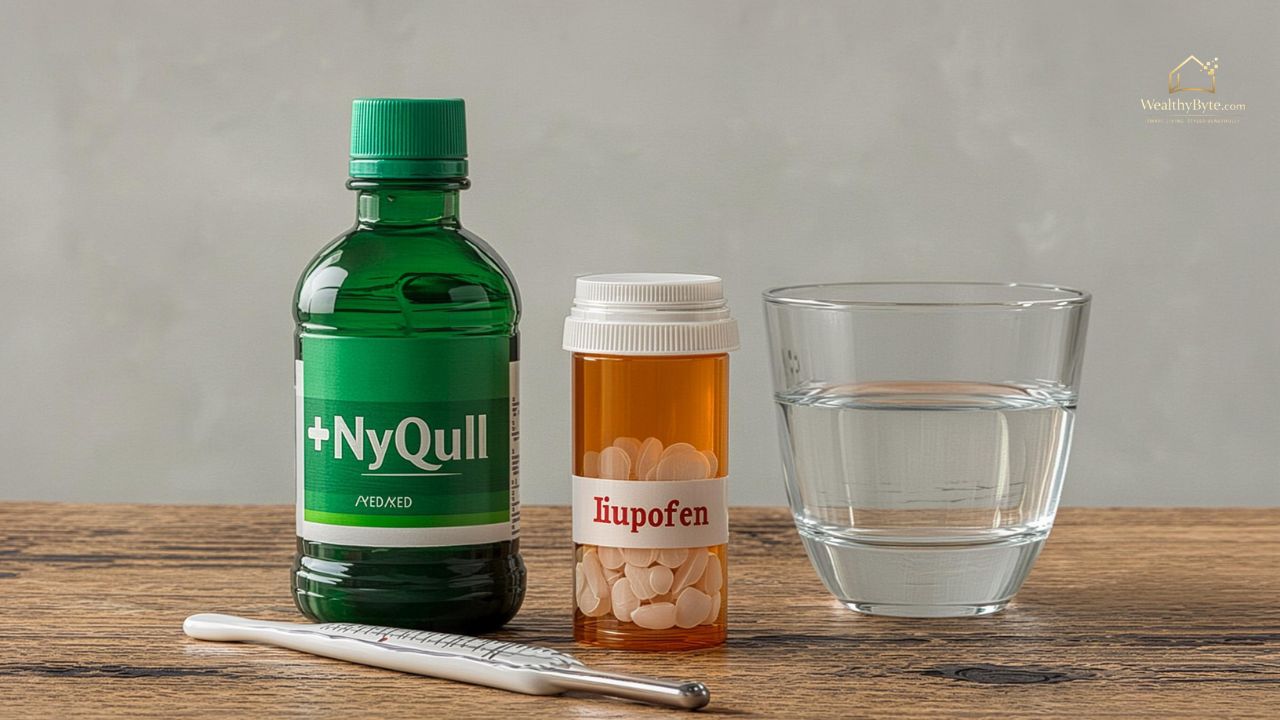
For most healthy adults, the combination is usually acceptable because standard NyQuil Cold & Flu contains acetaminophen, dextromethorphan, and doxylamine, while ibuprofen is a different kind of pain reliever called an NSAID. Adults can generally take acetaminophen, also called paracetamol in some countries, at the same time as ibuprofen if needed. That said, “usually okay” is not the same as “always safe.”
This topic matters because medication mistakes are often quiet mistakes. People do not always realize that NyQuil already contains acetaminophen, or that ibuprofen can irritate the stomach and raise bleeding risk in some people. Others forget that NyQuil’s nighttime ingredient can make them very drowsy, especially if alcohol or sedating medicines are involved.
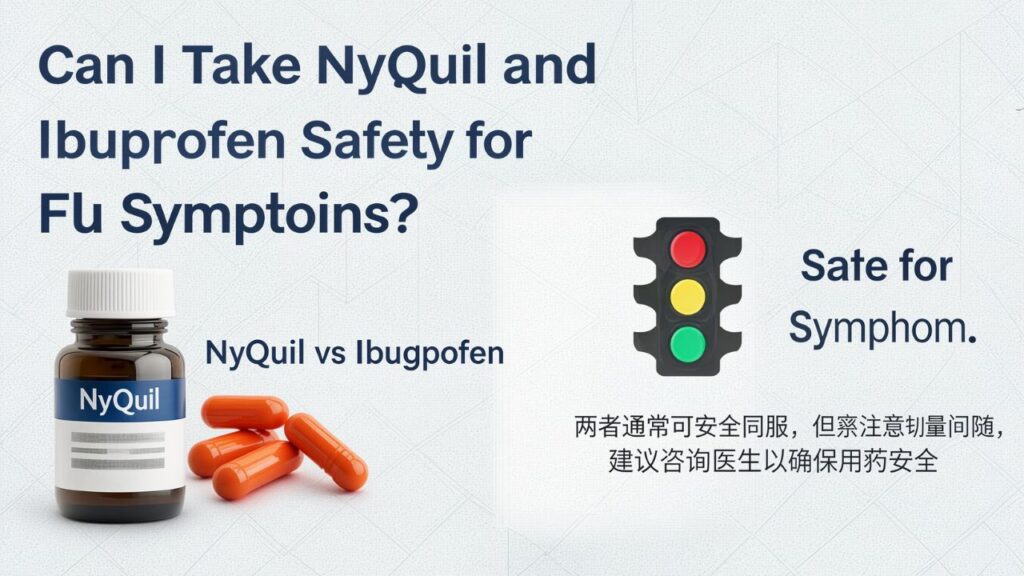
The safest approach is to think like a label reader, not like a symptom chaser. Before taking anything, check the Drug Facts panel, know what each product is doing, and match the medicine to your symptoms instead of taking everything that sounds helpful. That one habit prevents a huge share of over-the-counter medicine problems.
Can I Take NyQuil and Ibuprofen?
In many cases, yes. Standard NyQuil Cold & Flu liquid contains acetaminophen 650 mg, dextromethorphan 30 mg, and doxylamine 12.5 mg per 30 mL dose, with directions not to exceed four doses in 24 hours. Ibuprofen is a separate medication used for pain and fever, and adults can generally take acetaminophen with ibuprofen when needed. That is the medical logic behind why this combination is often fine for short-term symptom relief.
Still, can i take nyquil and ibuprofen should never be treated like a blanket yes. It becomes a much more careful question if you have a history of ulcers, stomach bleeding, kidney disease, liver disease, later pregnancy, heavy alcohol use, or if you take blood thinners, sedatives, or certain other prescription medicines. In those situations, the same two products can carry very different risks.
A useful way to think about it is this: NyQuil is a symptom-mix product, not one single type of medicine. In the standard formula, the acetaminophen handles pain and fever, the dextromethorphan helps suppress cough, and the doxylamine acts as an antihistamine that can make you sleepy. Ibuprofen helps with pain, fever, and inflammation, but it does not treat cough or runny nose.
NyQuil is also sold in more than one product, so you should never assume every bottle or capsule has the same ingredients as the classic version. Read the exact package in your hand every time. Brand familiarity causes a lot of mix-ups.
When the combination is usually reasonable
This combination is most reasonable when an otherwise healthy adult has a short-term cold or flu-like illness, has checked the label, and is using standard doses. A common example is someone taking NyQuil at night for cough, runny nose, and sleep-disrupting symptoms, then taking ibuprofen for body aches or fever that still breaks through.
It also helps to use the smallest amount that actually gives relief. The NHS advises adults who need both acetaminophen and ibuprofen to use the lowest dose that works and stop when the pain has gone. MedlinePlus also notes that ibuprofen may be taken with food or milk to reduce stomach upset, which is a smart move if your stomach is already sensitive from being sick.
In practical terms, the combination is usually more reasonable when all of these are true:
- You checked the active ingredients on the exact product you are using.
- You are not already taking another medicine that contains acetaminophen or ibuprofen.
- You are not drinking alcohol with the nighttime medicine.
- You do not have an ulcer history, GI bleeding risk, serious liver disease, kidney disease, or pregnancy-related restrictions.
That last point matters more than people think. A healthy adult using the combo for one rough night is a very different situation from an older adult with stomach issues, low fluid intake, and several prescriptions on board. Over-the-counter does not mean risk-free. It only means no prescription was needed to buy it.
When you should be careful or avoid it
If you already took another acetaminophen product
One of the biggest problems with NyQuil is that many people forget it already contains acetaminophen. The FDA says never take more acetaminophen than the label allows, notes that too much can cause liver failure and death, and sets the adult 24-hour maximum at 4,000 mg. The NyQuil Drug Facts warning also says severe liver damage may occur if you take more than four doses in 24 hours, use it with other drugs containing acetaminophen, or drink three or more alcoholic drinks daily while using it.
This means NyQuil should not casually be layered on top of Tylenol, other flu medicines, or any prescription medicine that also contains acetaminophen. If you are not sure whether another product contains it, stop and check. That one step can keep a bad cold from turning into a poisoning emergency.
If you have stomach, kidney, liver, or bleeding risks
Ibuprofen deserves more caution than many people give it. MedlinePlus warns that NSAIDs such as ibuprofen can cause ulcers, bleeding, or holes in the stomach or intestines, and the risk can be higher with longer use, older age, smoking, poor health, or heavy alcohol use. It also tells people to speak up about ulcers, bleeding disorders, liver disease, and kidney disease before using it.
If you are dehydrated from fever, vomiting, or poor fluid intake, this matters even more. When you are sick, it is easy to focus only on symptom relief and miss the fact that your stomach and kidneys may already be under extra stress. That does not mean ibuprofen is wrong for everyone. It means context matters.
If you drink alcohol or take sedating medicine
NyQuil’s nighttime effect comes partly from doxylamine, and doxylamine can make you drowsy. MedlinePlus says it may impair driving or operating machinery and warns that alcohol can add to the drowsiness. The NyQuil Drug Facts panel also warns that alcohol, sedatives, and tranquilizers may increase drowsiness.
So if you plan to drink, take a sleep aid, use anti-anxiety medicine, or take something else that already makes you sleepy, NyQuil deserves extra caution. The risk is not just feeling more tired. It is making poor decisions, having slowed reactions, and misjudging how impaired you are.
If you are pregnant, older, or on blood thinners
Ibuprofen is not a casual option in later pregnancy. MedlinePlus says ibuprofen may harm the fetus and cause problems with delivery if taken around 20 weeks or later unless a doctor tells you to use it. The NyQuil Drug Facts panel also says to ask a health professional before use if pregnant or breast-feeding.
There is also a blood-thinner issue. The NyQuil label says to ask a doctor or pharmacist before use if you are taking warfarin, and MedlinePlus says ibuprofen can interact with anticoagulants, aspirin, steroids, SSRIs, SNRIs, and other NSAIDs. For older adults, the risk of side effects from ibuprofen also rises.
The dosing mistakes that cause most trouble
The real danger is often not the question of whether the two brands can be used together. It is the sloppy follow-up. People feel awful, take something at dinner, take something else before bed, wake up at 2 a.m., and take another dose without remembering what was in the first one. That is how ingredient stacking happens.
Standard NyQuil gives you 650 mg of acetaminophen per dose. Four full doses in 24 hours adds up to 2,600 mg. Since the FDA says the adult 24-hour maximum is 4,000 mg, that leaves less room than many people expect for any extra acetaminophen from Tylenol, cold-and-flu products, or prescription pain medicines.
Ibuprofen has its own label limits too. MedlinePlus says adults usually take nonprescription ibuprofen every 4 to 6 hours as needed, not more than six doses in 24 hours, and exactly as directed. It also says to check product labels carefully before using two or more medicines at the same time because combination products may share active ingredients and raise overdose risk.
The most common mistakes look like this:
- Taking NyQuil after already using Tylenol earlier in the day.
- Taking ibuprofen from two different products without realizing both contain it.
- Using NyQuil with alcohol or other sedatives because it is “just nighttime cold medicine.”
- Ignoring the dosing interval because symptoms still feel bad.
- Continuing self-treatment for several days even though symptoms are getting worse instead of better.
Before asking can i take nyquil and ibuprofen, ask a more useful question: what have I already taken in the last 24 hours, and which active ingredients were in it? That one habit is often the difference between safe self-care and accidental overuse.
Do you actually need both medicines?
Sometimes you do not. If your main issue is nighttime cough, runny nose, sneezing, and trouble sleeping, standard NyQuil may already cover enough ground on its own because it contains a pain reliever, a cough suppressant, and an antihistamine. If you mostly have fever and body aches without much cough, ibuprofen or acetaminophen alone may be enough.
This matters because more medicine is not always better medicine. Dextromethorphan can temporarily relieve cough, but MedlinePlus notes that it does not treat the cause of the cough or speed recovery. So if cough is not really the problem, you may not gain much by reaching for a multi-symptom product.
A good rule is to match the product to the symptom that is actually bothering you most. If sleep is impossible because of cough and runny nose, NyQuil may make sense. If the worst part is fever and muscle aches, ibuprofen may be enough by itself. If you do use both, keep it brief, follow the labels, and stop as soon as you no longer need the extra coverage.
Can I take NyQuil and ibuprofen at the same time or should I space them out?
Many adults do not need to deliberately separate them as long as they are using standard doses and following each product’s instructions. NyQuil’s standard liquid directions are every 6 hours with no more than four doses in 24 hours. Nonprescription ibuprofen is usually taken every 4 to 6 hours as needed and exactly as directed on the package.
That said, some people prefer to space them a bit simply so they can tell what helped and reduce the chance of confused re-dosing in the middle of the night. There is nothing wrong with that. Just do not invent your own higher-frequency schedule. Follow the label timing, write down what you took, and avoid “just one more dose” thinking when you are tired and sick.
A simple, safer routine looks like this:
- Read the active ingredients on every bottle or caplet.
- Confirm you are not doubling acetaminophen or ibuprofen.
- Follow the timing and maximum doses on each label.
- Avoid alcohol and be cautious with anything that causes sleepiness.
- Stop and get advice if symptoms worsen, new symptoms appear, or something feels off.
Signs you need medical advice instead of more OTC medicine
Not every bad cold is just a bad cold. If too much acetaminophen is taken, MedlinePlus says to get medical help immediately even if there are no symptoms yet. Warning signs can include nausea, vomiting, loss of appetite, upper belly pain, yellowing of the skin or eyes, sweating, unusual bruising, and extreme tiredness. The FDA also advises contacting Poison Help right away if you think you took too much.
Flu symptoms can also cross a line where home treatment is no longer enough. The CDC says adults should get medical care right away for warning signs such as difficulty breathing, chest pain or pressure, persistent dizziness, confusion, inability to stay awake, not urinating, severe weakness, or symptoms that improve and then return or worsen.
Even without a dramatic emergency, the labels give clear clues for when to stop self-managing. The NyQuil Drug Facts panel says to ask a doctor if pain or cough gets worse or lasts more than 7 days, fever gets worse or lasts more than 3 days, redness or swelling is present, or new symptoms appear. MedlinePlus gives similar stop points for ibuprofen, including pain lasting more than 10 days or fever lasting more than 3 days.
FAQ
Can I take NyQuil and ibuprofen at the exact same time?
For many healthy adults, yes, that can be okay if you are using standard doses and following the label. The bigger issue is not the exact minute you take them. It is whether you are accidentally doubling ingredients or using them despite conditions that make one of them risky.
How long should I wait between the two?
There is no universal rule that says they must always be separated. Follow the timing on each label. Standard NyQuil liquid is directed every 6 hours, and nonprescription ibuprofen is usually every 4 to 6 hours as needed. Some people choose to space them simply to keep better track of dosing.
Is it safe to take both before bed?
It can be, but that depends on the rest of the picture. NyQuil can cause marked drowsiness, and alcohol, sedatives, and tranquilizers may increase that effect. If you are already taking something that makes you sleepy, extra caution is wise.
Can I take NyQuil and ibuprofen if I already took Tylenol?
That is where many people get into trouble. Standard NyQuil already contains acetaminophen, which is the same active ingredient in Tylenol. If you already took Tylenol, you need to total up how much acetaminophen you have had in the last 24 hours before taking NyQuil.
Can I use the combination if I have an ulcer or sensitive stomach?
Ibuprofen may not be a great choice if you have a history of ulcers, stomach bleeding, or certain GI problems. MedlinePlus specifically warns about bleeding and ulcer risks with NSAIDs such as ibuprofen.
Is it okay during pregnancy?
Do not assume yes. The NyQuil label says to ask a health professional before use if pregnant or breast-feeding, and MedlinePlus says ibuprofen may harm the fetus and should not be taken around or after 20 weeks of pregnancy unless a doctor tells you to do so.
What if I have kidney disease or liver disease?
You should get medical advice before self-treating. Ibuprofen can be a concern in kidney disease, and acetaminophen needs extra caution in liver disease. Both issues are specifically called out in official safety information.
When should I stop treating myself and call a doctor?
Call for advice sooner if your fever lasts more than 3 days, your cough or pain is getting worse, you develop new symptoms, or you have flu warning signs like trouble breathing, chest pain, confusion, or dehydration. Those are signals to step beyond home treatment.
Conclusion
So, can i take nyquil and ibuprofen? For many adults, the answer is yes, but only when the labels make sense together and your health situation does too. Standard NyQuil and ibuprofen are not automatic enemies. The real danger comes from duplicate ingredients, alcohol, drowsiness, stomach and bleeding risks, pregnancy concerns, and ignoring how much you have already taken.
The smartest move is not to memorize a simple yes-or-no answer. It is to read the active ingredients every time, use the lowest dose that works, and pause when something feels uncertain. When in doubt, a pharmacist is often the fastest way to get a grounded answer before you take the next dose.