Introduction
Clearer skin, fewer unwanted hairs, softer scars, and a fresher look all sound appealing, but most people still feel unsure about where to start. That is why Aesthetic laser treatment has become such a talked-about option for people who want visible change without the downtime of surgery.
For some, the goal is smoother skin. For others, it is fading sun spots, reducing acne scars, removing hair, or softening fine lines. The appeal is not only in what laser treatments can do, but also in how precise they can be when matched to the right skin concern and skin type.
What matters most is knowing that not every laser does the same thing. A treatment that works beautifully for dark spots may not be the right choice for deep wrinkles. A session meant for hair removal will not deliver the same result as resurfacing. Once you understand the basics, the whole subject feels far less intimidating and much easier to navigate.
What Is Aesthetic laser and Why Is It So Popular?
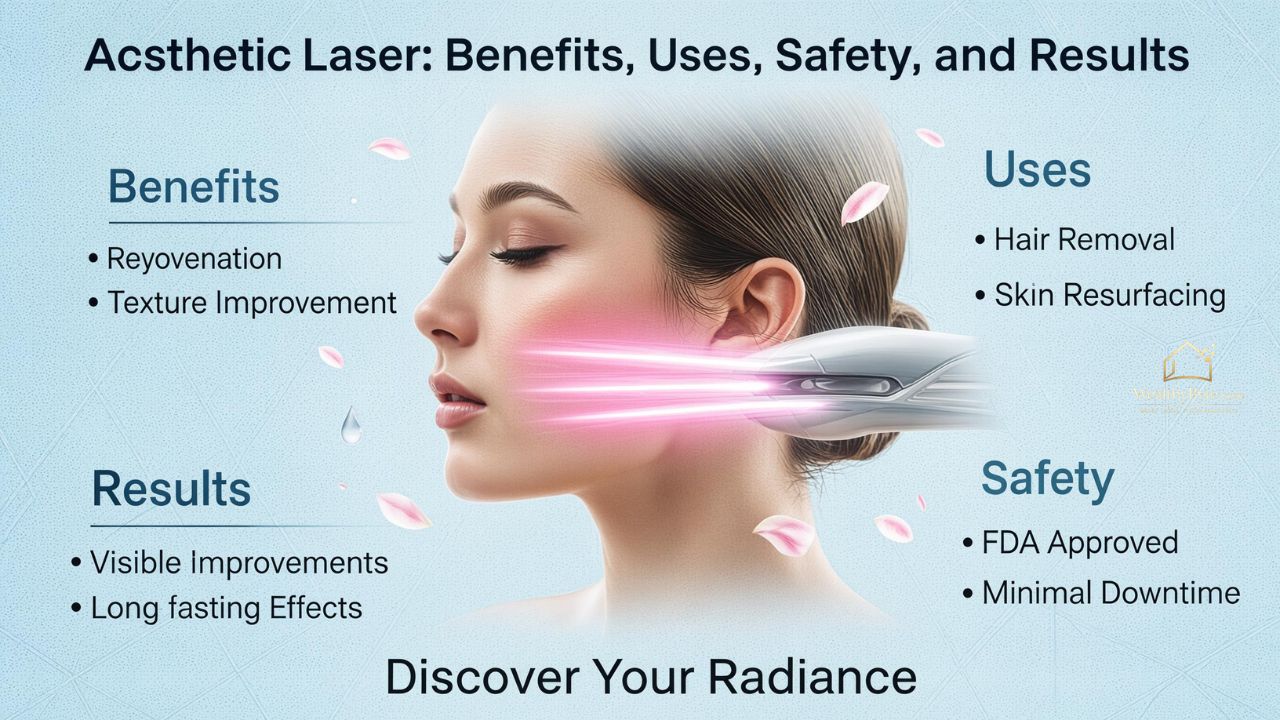
An Aesthetic laser is a device that delivers focused light energy into the skin or hair follicle for a specific cosmetic purpose. That energy targets something in the skin, such as pigment, blood vessels, water, or melanin in the hair, depending on the type of laser being used. The body then responds by breaking down unwanted pigment, slowing hair growth, stimulating collagen, or renewing the skin surface.
Its popularity comes from precision and range. One category of treatment can address several concerns that people often try to manage with creams, facials, waxing, or makeup. In many cases, laser sessions can go deeper than topical products because the light energy is designed to reach a specific target under or within the skin.
Another reason people choose laser treatments is customization. Settings can often be adjusted based on skin tone, sensitivity level, treatment area, and the severity of the concern. That makes laser treatment less of a one-size-fits-all service and more of a tailored approach, especially when done by an experienced dermatologist or licensed laser professional.
There is also a practical side to the appeal. Many sessions are fairly quick, and some concerns improve with minimal recovery. A person might schedule treatment for facial redness, acne marks, or underarm hair and return to regular activity the same day or after a short rest period.
Common Types of Laser Systems
Not all systems work in the same way. The term Aesthetic laser covers several technologies, each built for a different result. Knowing the categories helps you ask better questions before booking.
Ablative lasers
These remove thin layers of the outer skin and heat deeper tissue at the same time. They are often used for more visible texture problems, wrinkles, scars, and signs of sun damage. Because they work more aggressively, they usually involve more downtime than lighter treatments.
Non-ablative lasers
These leave the skin surface more intact while heating the deeper layers to support collagen production and tone improvement. They are often chosen for mild to moderate texture issues, early aging signs, and discoloration with less recovery time.
Fractional lasers
Fractional technology treats tiny sections of the skin instead of the whole surface at once. This creates controlled zones of treatment surrounded by untouched skin, which helps healing. Fractional treatments are widely used for acne scars, pores, fine lines, and uneven texture.
Pigment-targeting lasers
These are designed to focus on excess melanin or certain visible spots. They may be used for sun spots, age spots, freckles, or post-inflammatory pigmentation in selected cases.
Vascular lasers
These target visible blood vessels and redness. They are often used for rosacea-related redness, broken capillaries, cherry angiomas, and some vascular birthmarks.
Hair removal lasers
This type of treatment targets melanin in the hair follicle. Heat damages the follicle enough to reduce future growth. Multiple sessions are needed because hair grows in cycles and not every follicle is active at the same time.
What Can Laser Treatment Treat?
Laser treatment is popular because it covers a broad range of cosmetic concerns rather than a single issue. Depending on the device and settings, a provider may recommend it for:
- Unwanted facial or body hair
- Sun spots and age spots
- Acne scars
- Fine lines and early wrinkles
- Uneven skin texture
- Enlarged pores
- Redness and visible vessels
- Mild skin laxity
- Tattoo fading with specific laser platforms
- Certain benign pigmented lesions
That said, laser is not a magic fix for everything. Deep sagging, very pronounced wrinkles, severe active acne, hormonal pigmentation, or skin conditions that are still flaring may need a broader treatment plan. Sometimes the best result comes from combining laser with prescription skincare, sun protection, peels, microneedling, or injectable treatments depending on the goal.
Laser for hair removal
Hair removal remains one of the most requested uses because it can save time, reduce ingrown hairs, and lower the need for shaving or waxing. Common areas include the face, underarms, legs, bikini line, chest, and back. Results tend to be best when the device is well matched to the person’s skin tone and hair color.
Laser for skin rejuvenation
When people talk about looking refreshed, this is often what they mean. Rejuvenation treatments can target dullness, fine texture changes, pores, and uneven tone. Some also support collagen remodeling, which helps skin look firmer over time rather than overnight.
Laser for scars and marks
Acne scars, surgical scars, and old skin marks can sometimes be softened through a series of sessions. The goal is usually improvement, not perfection. Depth, age of the scar, and skin type all influence the result.
Who Is a Good Candidate for Laser Treatment?
A good candidate is someone with a clear concern, realistic expectations, and healthy skin that can tolerate the recommended treatment. The best candidates are usually willing to follow pre-treatment and aftercare instructions closely, especially around sun exposure.
Skin tone matters, but it should not scare people away. Modern devices can be safer for a wider range of tones than older systems, though the settings and device choice become more important in deeper skin tones. A skilled provider will assess the risk of post-treatment pigmentation before moving ahead.
Laser may need to be delayed if you have an active infection, a fresh tan, open wounds, a recent history of certain medications, or a habit of poor healing. Pregnancy, breastfeeding, a history of keloids, or conditions triggered by heat or light may also call for extra caution or a different plan.
Preparing for Your First Laser Session
The consultation is where the real treatment plan begins. A provider should review your skin history, current products, medications, recent procedures, tanning habits, and treatment goals. Photos may be taken so progress can be compared fairly over time.
A patch test may be advised, especially for sensitive skin or deeper skin tones. This small test spot helps your provider see how your skin reacts before a full session. It is a smart step, not a sign that something is wrong.
Before treatment, many clinics ask patients to:
- Avoid tanning and sunburn
- Pause retinoids or strong exfoliants for a short period if instructed
- Skip waxing or plucking before hair removal laser sessions
- Arrive with clean skin free of makeup, lotion, or deodorant on the treatment area
- Mention any recent illness, cold sore history, or medication changes
Good preparation reduces surprises. It also helps the provider use safer settings and gives you a clearer idea of what recovery may feel like.
What Happens During the Procedure?
The experience depends on the treatment type and body area. Some sessions feel like a warm snapping sensation. Others feel more intense, especially resurfacing procedures. Cooling devices, numbing cream, or chilled air may be used to improve comfort.
Protective eyewear is worn during treatment. The provider moves the handpiece across the planned area in a controlled pattern while adjusting settings as needed. Small treatment zones may take only minutes, while larger areas can take longer.
Afterward, the skin may look pink, warm, or slightly swollen. Hair removal often causes short-term redness around follicles. Resurfacing can lead to stronger redness, flaking, or a sunburn-like feeling for several days depending on depth and intensity.
Recovery, Results, and Timeline
Healing is not identical for every patient or every device. A mild non-ablative session may leave you flushed for a few hours, while a stronger resurfacing treatment may involve several days of recovery. The more intensive the treatment, the more important aftercare becomes.
Common aftercare advice includes gentle cleansing, moisturizing, strict sunscreen use, avoiding heat exposure, and skipping harsh active products until the skin barrier settles. Picking at flaking skin is one of the fastest ways to create irritation or unwanted marks, so hands off is usually the safest rule.
Some results appear quickly, such as reduced redness from swelling going down or the smooth feel after early healing. Others take time. Collagen remodeling can continue for weeks or months, and hair reduction is seen gradually across a series of sessions.
Many people need multiple treatments. Hair removal often takes six or more sessions spaced over time. Pigmentation may improve in fewer visits or require maintenance if sun exposure continues. Scars and texture changes usually improve step by step, not all at once.
Risks, Side Effects, and Safety Tips
Every cosmetic treatment comes with some level of risk, and laser is no exception. Common short-term effects include redness, swelling, dryness, tenderness, and temporary darkening or lightening of treated spots.
More serious problems are less common but can happen, especially when the wrong device or settings are used. These can include burns, blistering, infection, scarring, prolonged redness, and pigment changes. That is why provider skill matters as much as the machine itself.
If you want a safer Aesthetic laser experience, keep these points in mind:
- Choose a qualified clinic with experience in your skin type
- Ask which device is being used and why
- Be honest about tanning, medications, and past reactions
- Follow before-and-after instructions closely
- Do not chase the cheapest deal if the credentials are unclear
A careful consultation often tells you a lot. A good provider does not rush, overpromise, or recommend the same service to every person who walks in.
How to Choose the Right Clinic
Start with qualifications and experience, not social media popularity alone. Look for a board-certified dermatologist, plastic surgeon, or trained laser professional working under proper medical oversight, depending on your location and the treatment.
Ask practical questions during the consultation. What device do you recommend for my concern? How many sessions might I need? What downtime should I expect? What risks are more relevant for my skin tone? Can I see realistic before-and-after photos from similar patients?
Clean communication is a strong sign. You should leave the consultation understanding the treatment plan, the expected result, the possible side effects, and the cost structure. Vague answers or pressure to book on the spot are worth noticing.
The right clinic also respects boundaries. Good care means telling you when laser is a strong fit and when another treatment may serve you better. For many people, the safest Aesthetic laser plan is the one built around skin history rather than marketing trends.
Cost Factors to Keep in Mind
Pricing varies widely because laser treatment is not a single service. Cost depends on the body area, the device used, the provider’s expertise, the clinic location, the number of sessions needed, and whether numbing or aftercare products are included.
Small areas such as the upper lip are usually less expensive than full legs or full-face resurfacing. A series package may lower the per-session cost, though it is still wise to understand exactly what is included.
Cheaper is not always better. A lower price may reflect shorter appointments, older equipment, less experienced staff, or missing aftercare support. Value comes from safety, planning, and a treatment that is actually appropriate for your goal.
Common Mistakes People Make Before and After Laser
One common mistake is treating laser like a one-time beauty shortcut instead of a process. People sometimes book a session right before a wedding, holiday, or important event without understanding that redness, peeling, or temporary darkening can happen before the skin settles. Timing matters more than many first-time patients realize.
Another mistake is poor sun behavior. Fresh tanning before treatment can raise the risk of burns or pigmentation issues, and skipping sunscreen after treatment can undo progress quickly. Even a technically excellent session can lead to disappointing results if aftercare is ignored once you leave the clinic.
People also make the mistake of comparing their result to someone else’s timeline. Two people can receive the same treatment and heal differently based on skin tone, age, hormones, scar depth, inflammation level, and daily habits. Progress is personal, and a realistic treatment plan usually beats chasing dramatic overnight change.
At-home devices create confusion too. Some can help with mild hair reduction or maintenance, but they are not a replacement for a medical-grade system used by a trained professional. Home tools are lower powered, which may make them convenient, though they are often slower and less effective for more stubborn concerns.
The smartest approach is simple: get assessed properly, protect your skin from the sun, follow the plan, and give the process enough time to work.
FAQ
Is Aesthetic laser treatment painful?
Most people describe it as tolerable rather than unbearable. The sensation depends on the device, the area being treated, and your own pain threshold. Cooling systems and numbing options can make the session much more comfortable.
How many sessions do I need?
It depends on the concern. Hair removal usually needs a series because hair grows in cycles. Pigmentation or redness may improve faster, while scars and texture often require several sessions spaced over time.
Can darker skin tones get laser treatments?
Yes, many people with deeper skin tones can be treated safely when the right device and settings are chosen. This is one area where provider experience matters a great deal.
When will I see results?
Some people notice early improvement within days, while collagen-related changes may take weeks or months. Results from hair removal and scar revision often build gradually with repeated sessions.
Is there downtime after laser treatment?
There can be. Mild treatments may cause only brief redness, while resurfacing can involve peeling, swelling, and several recovery days. Your provider should explain the likely downtime before treatment.
Can laser make pigmentation worse?
It can if the wrong device is used, the skin is recently tanned, or aftercare is poor. This is why skin assessment, sun avoidance, and strict sunscreen use are so important.
Should I stop skincare before my appointment?
You may need to pause certain active products for a short time if your provider advises it. Retinoids, acids, and strong exfoliants are commonly reviewed before treatment.
Is one treatment enough?
Sometimes, but often no. Many concerns improve best through a treatment series and occasional maintenance. The goal is steady improvement, not instant perfection.
Conclusion
Aesthetic laser treatment can be a smart option for people who want targeted help with hair growth, discoloration, redness, texture, scars, or early aging changes. The real value lies in matching the right technology to the right concern rather than choosing a treatment based on hype.
When done well, laser can deliver visible progress with a level of precision that many creams and home devices cannot match. The best results usually come from patience, realistic expectations, strong sun protection, and a provider who understands both the machine and your skin.