
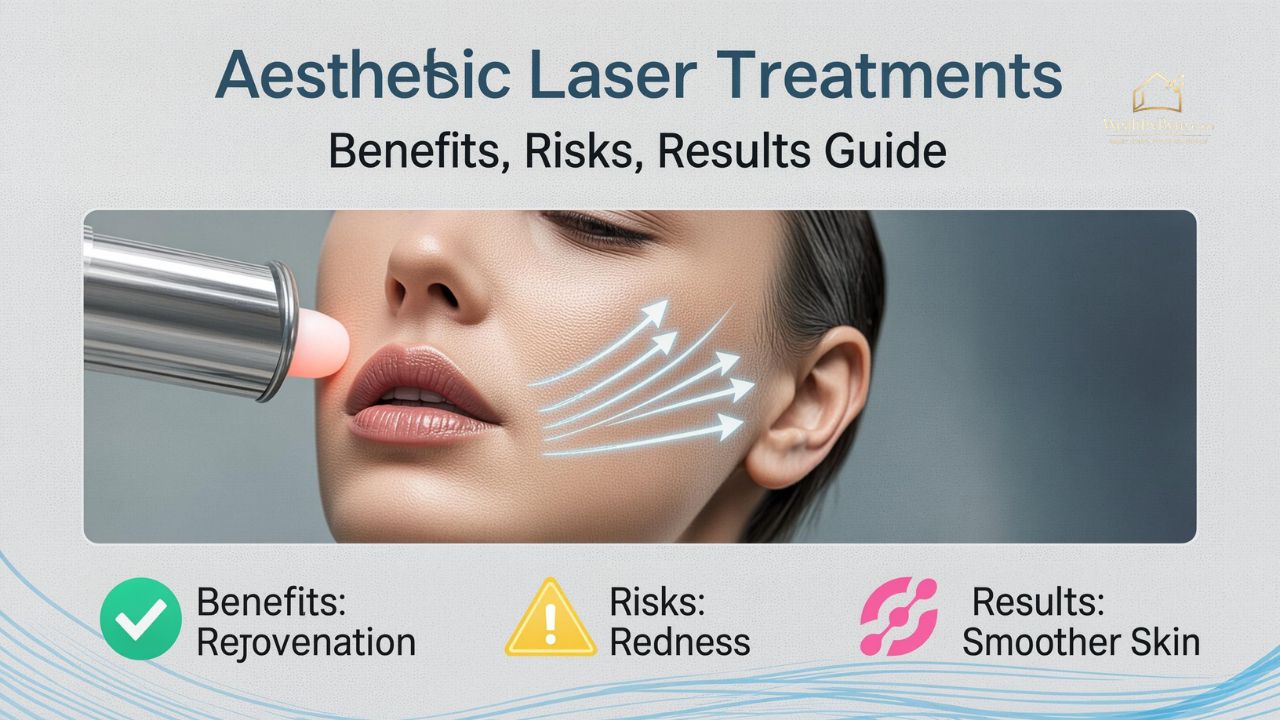
A mirror can be brutally honest. One day it shows a few sunspots, rough texture, old acne marks, or fine lines that makeup cannot quite blur. The next day, you start wondering whether there is a treatment that can actually change the skin itself instead of just covering the issue. That is where Aesthetic Laser Treatments often enter the conversation.
These treatments are popular for good reason. Dermatologists use lasers and light-based devices to address concerns like acne scars, unwanted hair, redness, wrinkles, sun damage, and uneven texture. Still, not every laser does the same job, and not every person needs the same approach.
If you are thinking about treatment, the real goal is not just smoother skin. It is understanding what a laser can do, what it cannot do, how much downtime you can handle, and how to lower the chance of burns, scarring, or pigment changes. The best results usually start with the right diagnosis and the right provider.
This guide walks through the basics in plain language so you can make sense of the choices in front of you. Whether you are looking into laser resurfacing, hair removal, redness reduction, or scar treatment, knowing how these procedures work can save you money, stress, and disappointment.
Aesthetic Laser Treatments are cosmetic procedures that use focused light or heat energy to improve the skin or reduce unwanted hair and visible marks. Some devices remove or heat parts of the skin to trigger new collagen, while others target pigment or blood vessels. Different settings and wavelengths are used for different concerns, which is why one laser may be great for acne scars and another may be better for redness or hair.
In simple terms, lasers work by sending energy into a specific target. That target might be water in the skin, dark pigment in hair, tattoo ink, or visible blood vessels. Once the target absorbs that energy, the body starts a repair process that can smooth texture, fade spots, soften scars, or reduce hair growth over time.
A lot of people assume every laser treatment is aggressive and painful. That is not true. Some are stronger and involve peeling and downtime, while others are gentler and let you return to normal activities quickly. The tradeoff is often simple: stronger treatments may bring faster or more dramatic change, while gentler treatments may need a series of sessions and patience.
Ablative lasers remove thin outer layers of skin and heat deeper layers at the same time. They are often used for deeper wrinkles, scars, and more noticeable texture issues. Recovery usually takes longer, but results can be more visible after a single session.
Non-ablative lasers heat the skin without removing the top layer. They usually involve less downtime, but improvement is more gradual and multiple treatments are common.
Fractional lasers treat tiny sections of skin while leaving surrounding tissue untreated. This approach helps healing move faster than older full-surface methods and is often used for scars, texture, and signs of aging.
Light-based systems are not always true lasers, but patients often group them together. These devices can help with redness, acne, and some pigment issues.
One reason lasers stay so popular is that they can target several different concerns across the face and body. Still, “can treat” does not always mean “best first choice.” A dermatologist looks at skin tone, medical history, your budget, and the kind of result you want before recommending a plan.
Common concerns treated with lasers and light-based devices include:
Laser resurfacing is often used to improve acne scars by stimulating collagen and elastin as the skin heals. Some scars respond better than others, which is why scar type matters. Ice pick, rolling, and boxcar scars do not all behave the same way, and many people need a combination approach instead of one treatment alone.
For wrinkles, roughness, and sun-worn skin, resurfacing lasers can smooth the surface and encourage new collagen. Non-ablative options may be enough for early changes, while deeper lines and more visible damage may push a patient toward a stronger resurfacing plan.
Lasers can also help with visible redness, rosacea-related flushing, and broken blood vessels. These treatments often come with less downtime than resurfacing, though some people notice mild bruising for a few days.
Laser hair removal is one of the most requested cosmetic procedures because it can safely reduce unwanted hair on many parts of the body. The process usually takes multiple sessions, and AAD notes that removing unwanted hair often takes six sessions or more.
Aesthetic Laser Treatments can make sense for someone who wants visible improvement in tone, texture, spots, redness, scars, or hair growth and is willing to follow the prep and aftercare rules. They are often a good fit for people who want more change than skincare alone can offer.
That said, being a candidate is not just about the problem you want to treat. It also depends on your skin tone, recent sun exposure, history of cold sores, medications, healing patterns, and expectations. Mayo Clinic notes that unprotected sun exposure before resurfacing can raise the risk of long-lasting color change, and antiviral medicine may be used when cold sores are a concern.
People with darker skin tones can absolutely have laser procedures, but extra care matters. The AAD notes that darker skin is more prone to burns and dark marks after laser treatments, so experience with darker skin is a big part of safe treatment selection.
The best candidate is not the person chasing the newest device name online. It is the person whose treatment plan matches their skin, their schedule, and their tolerance for downtime.
This is where many people get stuck, because both categories sound technical. The simplest way to think about it is this: ablative lasers remove part of the skin surface, while non-ablative lasers heat the skin without removing that top layer.
Ablative treatments are often chosen when someone wants stronger correction for wrinkles, acne scars, and deeper textural issues. The tradeoff is more recovery time and more visible redness, swelling, peeling, and discomfort afterward. Mayo Clinic lists swelling, itching, burning, acne flares, milia, skin color changes, and scarring among known risks after resurfacing.
Non-ablative treatments are often better for people who want lower downtime. ASDS notes that recovery is usually minimal, but improvement is gradual and may take several months to fully show. A series of treatments may also be needed.
Neither category is “better” in every case. The right one depends on how deep the issue is, how much downtime you can accept, and how much improvement you expect from each visit.
The first step is the consultation. A good provider looks at your skin, asks about medications, recent tanning, past procedures, and whether you get cold sores. For acne scars, the AAD notes that scar type and current or recent acne medicines matter because starting some procedures too soon can lead to unwanted side effects.
Before treatment, you may be told to avoid the sun, stop tanning products, and pause hair removal methods like waxing or plucking if you are doing laser hair removal. Mayo Clinic also advises shaving the area the day before hair removal and stopping waxing, plucking, or electrolysis at least four weeks before treatment.
During the procedure, the skin may be cleaned, numbed, cooled, or protected depending on the device. Some sessions feel like heat, snapping, or stinging. Treatment time can range from minutes to over an hour based on the size of the area.
After treatment, you may see redness, swelling, tenderness, warmth, or a sunburn-like feeling. Hair removal areas often calm within hours, while resurfacing can take much longer to settle. Sun protection is a major part of healing because sun exposure can worsen side effects and trigger pigment changes.
All cosmetic procedures carry some level of risk, and laser treatment is no exception. The FDA lists possible risks of laser surgery such as pain, infection, bleeding, scarring, skin color changes, and incomplete treatment.
For resurfacing, redness and swelling are common, and some people also deal with itching, burning, acne flares, or temporary white bumps called milia. In rare cases, color changes or scarring can last.
For hair removal, the most common issues are temporary irritation, swelling, and changes in skin color. Mayo Clinic notes that pigment changes may be temporary but can last in rare cases, with higher risk in people with Black or brown skin and in those who do not avoid sun exposure before or after treatment.
The person holding the device matters as much as the device itself. The AAD warns that laser hair removal can be dangerous in inexperienced hands and says burns, scars, and permanent skin color changes can happen. It recommends having laser treatment performed by a board-certified dermatologist.
This depends on the concern being treated, the device, and how dramatic a change you want. Some resurfacing treatments can produce noticeable change in one session, while non-ablative rejuvenation usually involves a series. ASDS notes that results from non-ablative treatments are gradual and may take several months to fully appear.
Hair removal almost always takes multiple treatments because hair grows in cycles. The AAD says removing unwanted hair commonly takes six sessions or more. Tattoo removal can also require repeated sessions, though newer laser technology may reduce the number needed compared with older methods.
This is why consultation matters so much. A fair treatment plan should tell you not only the price per session, but also how many sessions you may realistically need.
A laser is not magic on its own. Outcomes come from judgment, technique, safety habits, and device selection. Cosmetic procedures can look easy from the outside, but the AAD says safe treatment requires in-depth medical knowledge of the skin and what lies beneath it.
A strong consultation should cover your goals, how much downtime you can manage, what results are realistic, and what side effects could happen in your skin tone. If a provider rushes past risk discussion or promises perfect skin, that is a bad sign.
Most people describe them as hot, stingy, or snap-like rather than unbearable. Discomfort depends on the device, the area treated, and whether numbing or cooling is used. Stronger resurfacing treatments tend to feel more intense than gentler non-ablative procedures.
They can help many acne scars, especially by resurfacing the skin and triggering collagen as it heals. Results depend on the type of scar, and many people do best with a treatment plan that combines more than one approach.
Yes, but device choice and provider experience matter a lot. The AAD notes that darker skin is more prone to burns and dark marks after laser treatment, so it is smart to work with someone experienced in treating darker skin.
Downtime varies by treatment strength. Non-ablative procedures often involve minimal recovery, while ablative resurfacing may bring more redness, swelling, and a longer healing window.
AAD states that laser hair removal can permanently remove hair on most body areas, though regrowth can happen and hormonal areas may need repeat treatment. It usually takes multiple sessions to get there.
Sun exposure, tanning beds, and sunless tanning products are common things to avoid. For laser hair removal, Mayo Clinic also advises stopping waxing, plucking, and electrolysis at least four weeks before treatment and shaving the area the day before.
Yes, pigment changes can happen. This is one reason sun protection before and after treatment matters so much, and why experienced care is especially valuable for patients with darker skin tones.
You usually cannot tell from ads or social media alone. The right treatment depends on your diagnosis, skin tone, medical history, goals, and downtime tolerance, which is why a board-certified dermatologist consultation is so useful.
Aesthetic Laser Treatments can do a lot more than give skin a temporary glow. In the right hands, they can soften scars, smooth texture, reduce redness, fade sun damage, and cut down unwanted hair. But the smartest approach is never to chase a device name or a trendy treatment menu. It is to understand the problem you want to fix, choose a provider who knows your skin, and go in with realistic expectations.
When people are happiest with their results, it is usually because they knew what they were treating, what recovery would feel like, and what kind of change was truly possible. That is the difference between buying into hype and making a calm, informed decision your skin can actually benefit from.